
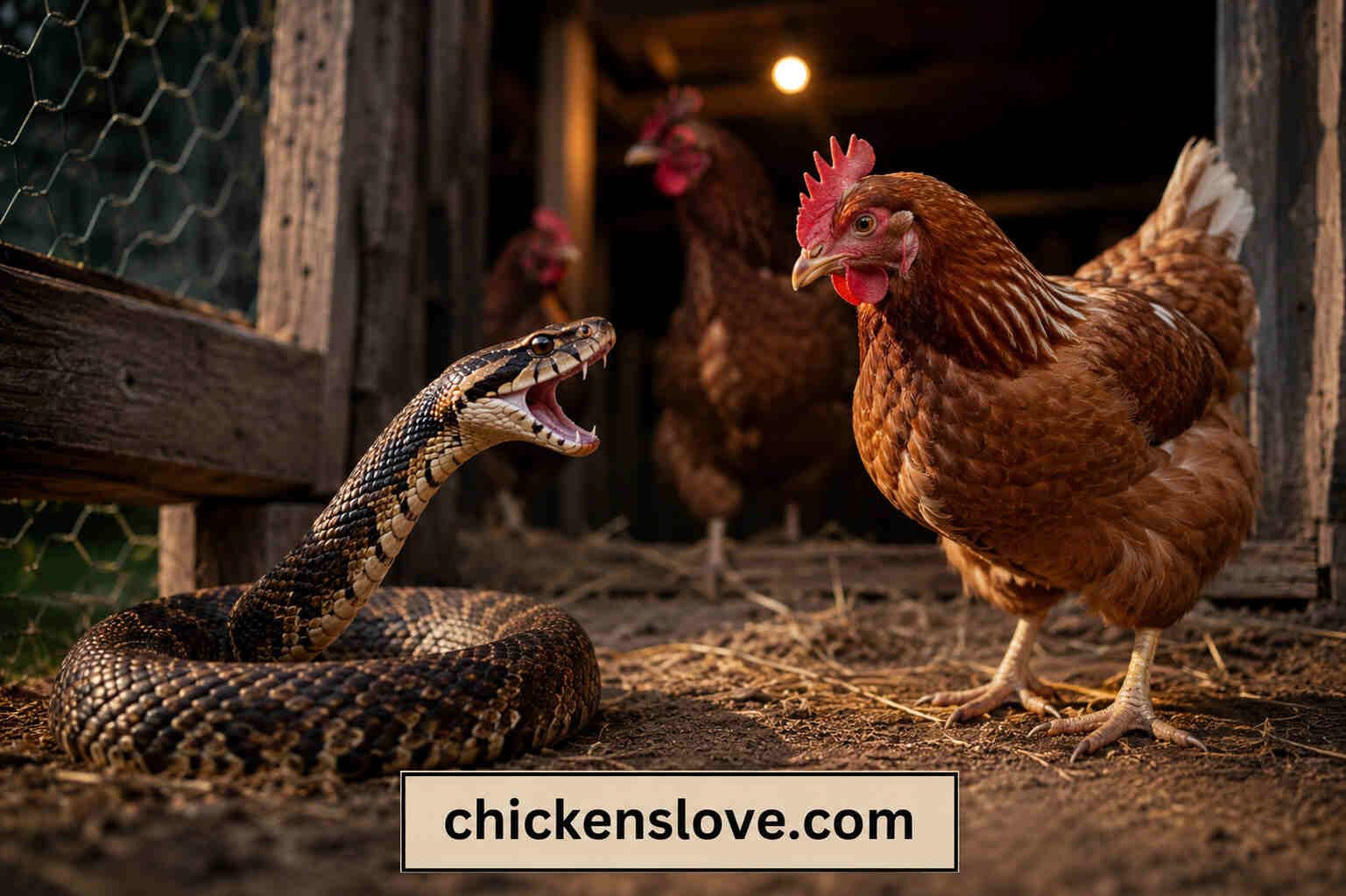
Raising chickens is rewarding, but it also comes with constant fear of predators. One of the most commonly asked questions by poultry keepers is “do snakes attack chickens” and how serious the risk really is. In many rural and semi-rural areas, snakes are not just occasional visitors—they can become real threats to eggs, chicks, and sometimes even adult birds.
This guide breaks down everything you need to know about snake behavior around chickens, how attacks happen, and what warning signs you should never ignore.
Understanding the Reality: Do Snakes Attack Chickens?
Snakes are opportunistic predators, meaning they don’t actively “hunt” chickens like foxes or dogs, but they do take advantage of easy food sources when available. In most cases, snakes target eggs and small chicks rather than fully grown birds.
However, in certain environments—especially warm climates and poorly secured coops—the risk becomes higher. Snakes are drawn by warmth, shelter, and food scent, making chicken coops an ideal hiding and feeding spot.
The next section explains how and when these encounters usually happen in real life situations.
When and Why Snake Attacks Happen Around Chickens
Snake encounters with chickens are not random. They follow patterns based on temperature, food availability, and coop hygiene. Understanding timing helps reduce risk significantly.
Do snakes attack chickens at night?
Most snake activity happens at night because snakes are naturally nocturnal or crepuscular. At night, chickens are sleeping and less alert, making them easier targets for eggs or chicks inside the coop.
Poor lighting, open gaps, and unsecured nesting areas increase vulnerability during nighttime hours. This is why coop security becomes especially important after sunset.
Next, we’ll look at what happens inside the coop itself and why it attracts snakes.
Will snakes kill chickens in a coop?
A secure coop can still become a hunting ground if not properly maintained. Snakes typically enter coops through small gaps in search of eggs or chicks, and in rare cases may attack sleeping or confined birds.
The main attraction is usually eggs due to their ease of consumption and high nutritional value. Once a snake finds a reliable food source, it may return repeatedly unless removed.
To understand this behavior better, we need to look at their feeding instincts and diet choices.
Why Snakes Are Attracted to Chicken Eggs and Chicks
Snakes prefer prey that is easy to swallow and requires minimal energy to catch. Eggs are ideal because they are nutritious, stationary, and require no struggle.
Why do snakes eat chicken eggs and chicks?
Eggs are a high-protein food source, and chicks are small enough to be swallowed without resistance. This makes chicken coops highly attractive hunting spots, especially for smaller snake species.
In many cases, repeated egg loss is the first sign of a hidden snake presence in the coop.
This naturally leads to another important question poultry owners often ask: whether snakes can go after adult birds.
Can snakes eat full grown chickens?
In most situations, adult chickens are too large and defensive for snakes to attack successfully. However, large constrictor species may attempt to overpower smaller or sleeping chickens, especially in enclosed spaces.
Even if attacks are rare, the presence of large snakes can still cause stress, injury, or panic among the flock.
Now that we understand the risk levels, let’s look at how to recognize early warning signs.
Signs of Snake Presence in Chicken Coops
Detecting snakes early can prevent major losses. Most poultry owners only realize the problem after eggs disappear repeatedly or chicks go missing.
Signs of snake attack on chickens
Common indicators include missing eggs without shell damage, shed snake skin near nesting areas, unusual chicken distress, and small holes or gaps in coop structures.
Another strong sign is finding partially swallowed eggs or disturbed nesting material.
Below is a quick reference table to help identify potential snake activity:
| Warning Sign | What It Means |
|---|---|
| Missing eggs | Likely egg predation |
| Shed skin | Snake presence confirmed |
| Disturbed nests | Nighttime activity |
| Holes in coop | Entry points used |
| Nervous chickens | Predator nearby |
Recognizing these signs early helps prevent further losses and allows quick intervention.
Next, we’ll compare snakes with other common poultry predators to understand risk levels better.
Comparing Snakes With Other Chicken Predators
Snakes are not the only threat to chickens. Other predators like birds of prey and mammals also pose risks depending on location and environment.
For example, birds like buzzards can sometimes target weak or young chickens, while small mammals such as weasels are known for aggressive attacks on flocks.
You can explore related predator behaviors in articles like do buzzards attack chickens and do weasels kill chickens, which help you understand how different predators behave differently around poultry farms.
While snakes are stealthy and silent, mammals tend to be more destructive and birds are more opportunistic. Understanding these differences helps in building a complete protection strategy.
Now let’s focus on prevention techniques to keep your chickens safe.
How to Protect Chickens From Snake Attacks
Preventing snake attacks is far easier than dealing with losses after they happen. A strong coop design and proper maintenance can reduce risk significantly.
Key prevention strategies
- Seal all gaps and holes in the coop structure
- Keep grass and vegetation trimmed around the coop
- Remove leftover food and eggs regularly
- Use fine mesh wire instead of large openings
- Ensure proper lighting around chicken housing
Good hygiene and structure maintenance create an environment that snakes naturally avoid.
Next, we’ll summarize the most important behavioral insights to remember.
Behavioral Patterns of Snakes Around Chickens
Snakes do not randomly attack chickens—they follow predictable survival behavior. Most activity is driven by hunger, opportunity, and environmental conditions.
Warm weather increases snake movement, while food availability inside coops increases repeated visits. Once a snake identifies a safe feeding spot, it may continue returning until the food source is removed or access is blocked.
This is why long-term prevention is just as important as immediate response.
FAQ: Do Snakes Attack Chickens?
1. Do snakes usually attack healthy chickens?
No, they mostly target eggs and chicks rather than healthy adult birds.
2. How do I know if a snake is in my chicken coop?
Look for missing eggs, shed skin, and unusual chicken behavior or stress.
3. Can a snake enter a tightly built coop?
Yes, even small gaps are enough for many snake species to enter.
4. What time are chickens most at risk from snakes?
Nighttime is the most risky period since chickens are inactive and sleeping.
5. Are snake attacks common in backyard farms?
They are occasional but more common in warm rural areas with poor coop security.
6. What should I do if I find a snake in the coop?
Safely remove it using professional help or local wildlife control if possible.
7. Can snake attacks be completely prevented?
They can be greatly reduced with proper coop design and regular maintenance.
Final Thoughts
So, do snakes attack chickens? The answer is yes—but mostly in indirect ways such as eating eggs and chicks rather than hunting adult birds. The risk depends heavily on environment, coop security, and food availability.
With proper prevention strategies, strong coop design, and awareness of early warning signs, poultry owners can significantly reduce snake-related losses and keep their flock safe year-round.

Joel Callahan is a father of two daughters in Alaska. He runs a family poultry farm and works part-time as a food department adviser. He shares simple farming tips and advice.