
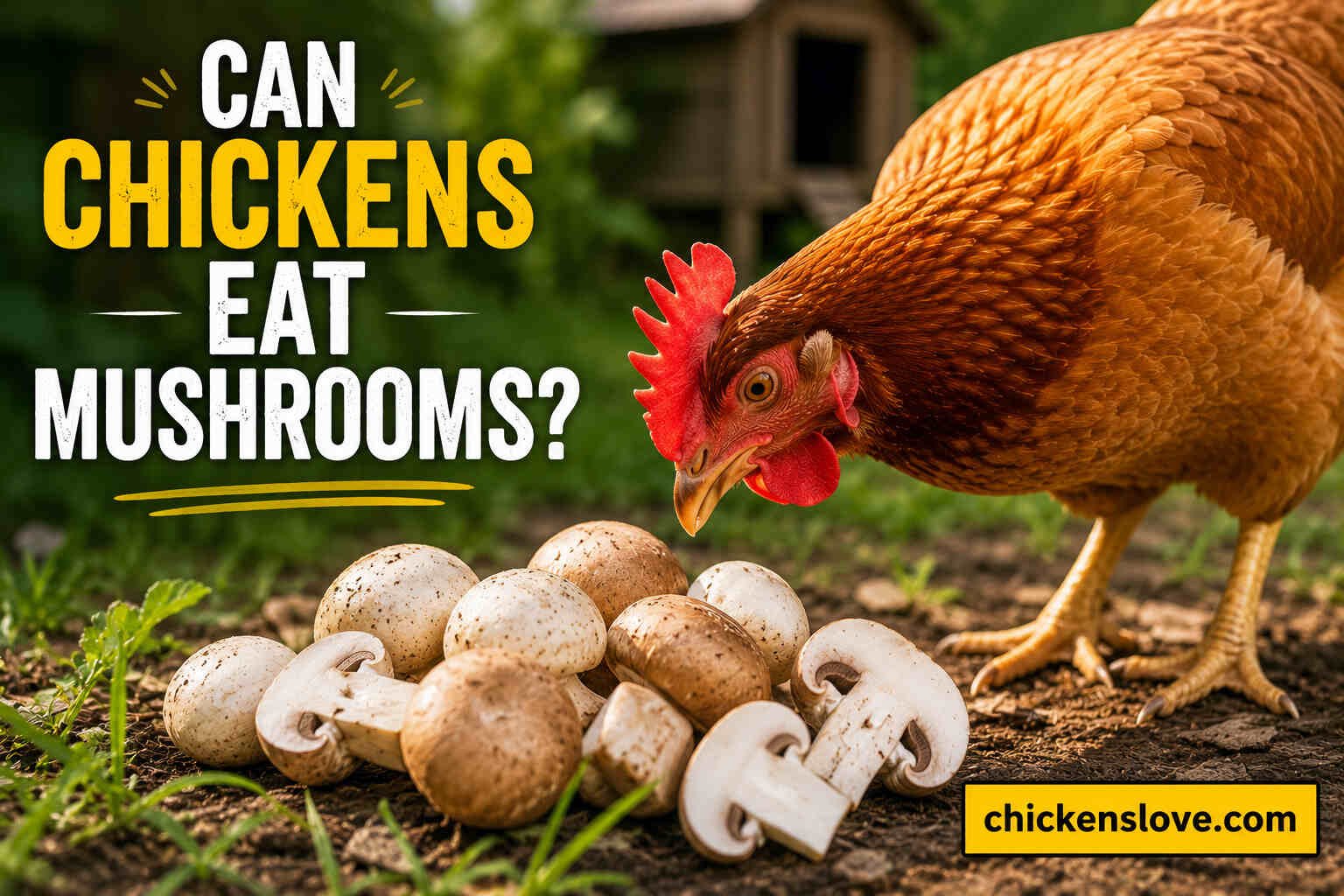
If you keep backyard poultry, you’ve probably wondered can chickens eat mushrooms when they peck around the yard or get kitchen scraps. This is a common concern because mushrooms can be both nutritious and risky depending on the type. In this guide, we break down everything you need to know in a simple, SEO-friendly way so you can keep your flock safe and healthy.
Understanding Whether Chickens Can Eat Mushrooms Safely
Chickens are natural foragers, and they will often try to eat almost anything they find. That’s why understanding can chickens eat mushrooms raw or cooked is important for every poultry keeper.
Most store-bought edible mushrooms are generally safe in small amounts, but wild mushrooms growing in gardens or fields can be dangerous. The key factor is identification and preparation. While some mushrooms provide nutrients like protein and antioxidants, others may contain toxins that affect the nervous system or digestion.
As we move forward, we’ll explore which types are safe and how preparation changes everything for your flock’s health.
Raw vs Cooked Mushrooms: What Is Better for Chickens?
One of the most searched questions is can chickens eat cooked mushrooms compared to raw ones. The answer depends on digestion and safety.
Cooked mushrooms are easier for chickens to digest because heat breaks down tough fibers. Raw mushrooms are not necessarily toxic if they are safe edible varieties, but they can be harder on the crop and digestive system if fed in large amounts.
Key differences:
| Type | Safety | Digestibility | Recommendation |
|---|---|---|---|
| Raw edible mushrooms | Moderately safe | Harder to digest | Small amounts only |
| Cooked mushrooms | Safer | Easier digestion | Better option |
| Wild mushrooms | Dangerous | Unpredictable | Avoid completely |
Cooking does not make poisonous mushrooms safe, so identification still matters most.
Next, let’s look at how different mushroom types affect chickens differently.
White, Button, and Crimini Mushrooms: Are They Safe?
Many poultry owners ask specifically about can chickens eat white mushrooms, can chickens eat button mushrooms, and can chickens eat crimini mushrooms.
These mushrooms are all commonly found in grocery stores and are generally safe when fed properly:
- White mushrooms: Mild and safe in small portions
- Button mushrooms: Same species as white mushrooms, safe and commonly used
- Crimini mushrooms: Slightly more mature, still safe and nutritious
These varieties can be offered occasionally as a treat. However, they should never replace a balanced chicken diet like grains, layer feed, and vegetables.
To understand treat balance better, many poultry keepers also explore safe fruit scraps such as mango skin for chickens, which offers additional variety in their diet.
Mushrooms Found in the Garden: Hidden Risks You Should Know
A major concern for flock owners is can chickens eat mushrooms in the garden. The simple answer: it is risky and often unsafe.
Garden mushrooms are usually wild fungi, and many toxic species look similar to edible ones. Chickens may peck at them out of curiosity, but even small amounts of poisonous mushrooms can cause:
- Digestive upset
- Neurological symptoms
- Organ damage in severe cases
Because chickens do not naturally identify toxic fungi, prevention is the best approach. Regularly inspect your yard and remove any unknown mushroom growth immediately.
In addition to mushrooms, be cautious with other garden foods. Some kitchen scraps like onions are also unsafe, and you can learn more through onion safety for chickens.
Next, we’ll compare store-bought mushrooms and why they are safer.
Can Chickens Eat Mushrooms from the Store?
Yes, can chickens eat mushrooms from the store is generally answered with a “yes,” but moderation is key.
Store-bought mushrooms are:
- Cultivated under controlled conditions
- Free from most toxins found in wild varieties
- Safe when fresh and clean
However, they should be:
- Washed properly
- Chopped into small pieces
- Served plain (no salt, oil, or spices)
Chickens enjoy pecking at soft textures, so mushrooms can be an occasional enrichment treat rather than a daily food source.
Up next, we’ll briefly explore whether other birds like ducks can also eat mushrooms.
Can Ducks Eat Mushrooms Too?
Another related query is can ducks eat mushrooms. Ducks have similar foraging behavior to chickens, and they may also eat mushrooms if offered.
However, the same rules apply:
- Safe edible mushrooms only
- No wild mushrooms
- Prefer cooked and plain preparation
Both ducks and chickens share similar digestive sensitivity when it comes to fungi, so caution is always necessary.
Now let’s look at the nutritional value mushrooms can provide.
Nutritional Benefits and Risks of Feeding Mushrooms
Mushrooms can offer some benefits when fed correctly, but they are not essential for chickens.
Potential benefits:
- Small amounts of protein
- Antioxidants for immune support
- Variety in diet to reduce boredom
Potential risks:
- Toxic wild varieties
- Digestive issues if overfed
- Nutritional imbalance if overused
Chickens thrive best on a balanced poultry diet, and mushrooms should only be an occasional supplement. Think of them as treats rather than staple food.
Next, we’ll go over practical feeding tips to keep things safe and simple.
Safe Feeding Tips for Mushrooms
To safely include mushrooms in your chickens’ diet, follow these guidelines:
- Always use edible store-bought mushrooms
- Avoid wild mushrooms completely
- Serve in small chopped pieces
- Keep portions occasional, not daily
- Avoid seasoning or cooking oils
Simple feeding idea table:
| Situation | Safe Approach |
|---|---|
| Kitchen leftovers | Plain cooked mushrooms in small bits |
| Backyard finds | Remove immediately |
| Treat feeding | Mix with vegetables occasionally |
Balanced feeding is more important than variety alone. Chickens already enjoy many safe treats like grains, greens, and fruits.
Next, we answer the most common questions chicken keepers ask.
Frequently Asked Questions (FAQ)
Can chickens eat mushrooms raw or cooked?
Chickens can eat both, but cooked mushrooms are safer and easier to digest. Raw mushrooms should only be given in very small amounts if they are edible store varieties.
Can chickens eat mushrooms in the garden?
No, garden mushrooms are often wild and potentially toxic. It is best to remove them and prevent chickens from eating unknown fungi.
Can chickens eat cooked mushrooms?
Yes, cooked mushrooms are the safest option when plain and unseasoned. They should still be offered only as an occasional treat.
Can chickens eat mushrooms from the store?
Yes, store-bought mushrooms are generally safe if washed, chopped, and served plain without spices or oil.
Can chickens eat white mushrooms?
Yes, white mushrooms are safe and commonly fed in small amounts as part of a treat rotation.
Yes, button mushrooms are safe since they are the same species as white mushrooms and are commonly cultivated.
Can chickens eat crimini mushrooms?
Yes, crimini mushrooms are safe when cooked or raw in small amounts, but moderation is always important.
Final Thoughts on Feeding Chickens Mushrooms
So, after exploring everything in detail, the answer to can chickens eat mushrooms is yes—but only when you choose safe, edible varieties and serve them properly. Store-bought mushrooms like white, button, and crimini are generally fine in moderation, while wild garden mushrooms should always be avoided.
A healthy flock depends on balance, not just treats. Mushrooms can be a fun occasional snack, but your chickens will always do best on a well-rounded diet of grains, greens, and safe kitchen scraps.

Joel Callahan is a father of two daughters in Alaska. He runs a family poultry farm and works part-time as a food department adviser. He shares simple farming tips and advice.