
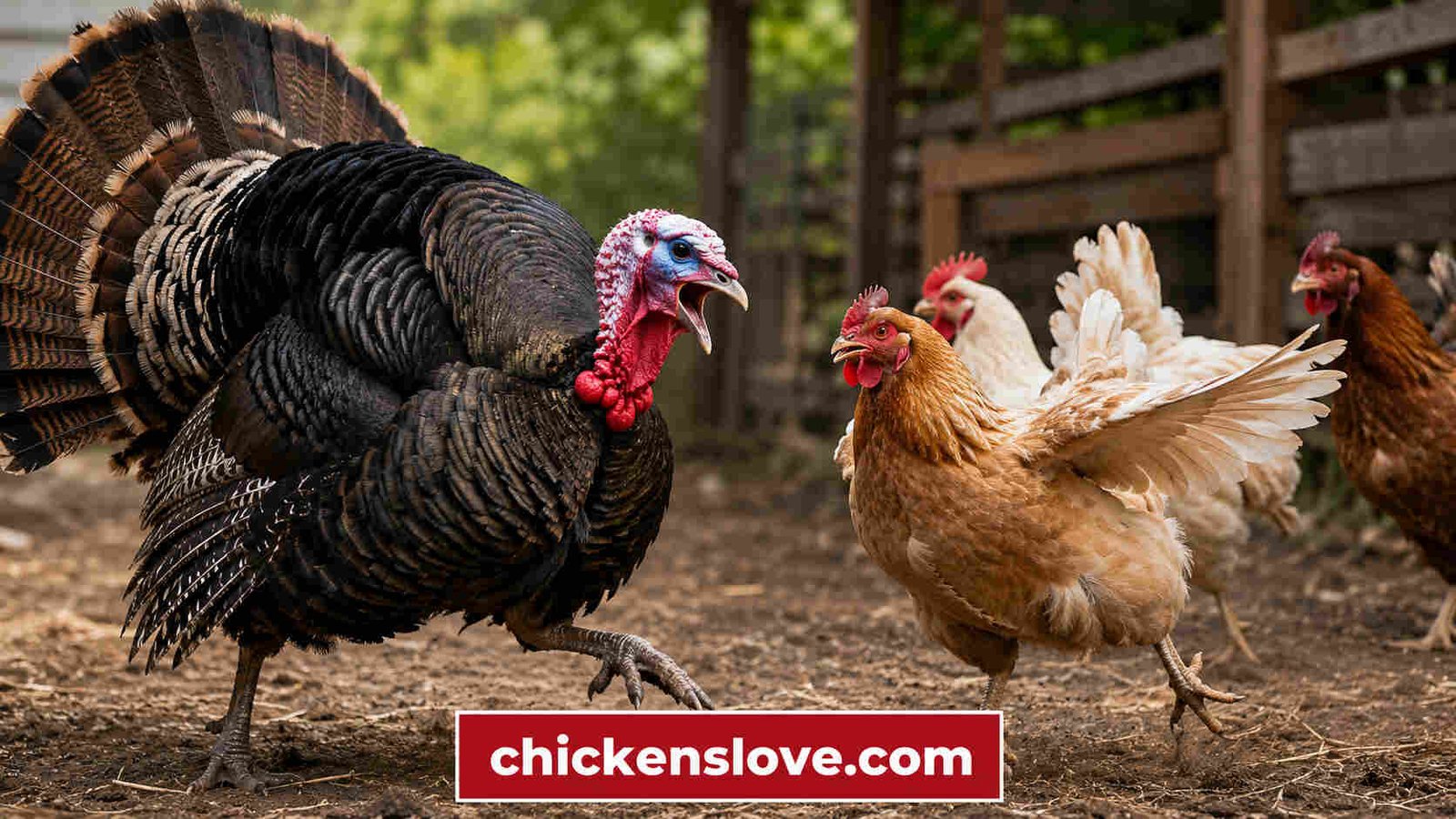
Keeping different poultry species together can be rewarding, but it also raises important questions about safety and compatibility. One of the most common concerns among backyard poultry keepers is: do turkeys attack chickens? The answer is sometimes yes, but the situation is more complex than many people realize. Understanding turkey behavior, flock hierarchy, and environmental factors can help prevent conflicts and keep your birds safe.
Whether you are planning to introduce turkeys to an existing flock or already keep them together, this guide explains the risks, benefits, and best management practices for maintaining harmony between chickens and turkeys.
Do Turkeys Attack Chickens? The Short Answer
In most cases, turkeys and chickens can coexist peacefully. However, turkeys are larger, stronger, and sometimes more territorial than chickens. This means that under certain circumstances, they may chase, peck, intimidate, or even injure chickens.
Aggression usually develops because of competition for food, breeding behavior, overcrowding, or flock hierarchy disputes rather than outright predatory instincts. Unlike predators, turkeys generally do not attack chickens for food. Instead, conflicts are typically related to dominance and territory.
Before discussing why aggression happens, it is important to understand the natural behavior differences between these two poultry species.
Understanding Turkey Behavior Around Chickens
Turkeys and chickens communicate differently and establish social hierarchies in unique ways. These differences can create misunderstandings within a mixed flock.
Turkeys tend to be curious, confident, and highly aware of their surroundings. Chickens, on the other hand, often establish quicker pecking orders and may react defensively when larger birds invade their space.
Because turkeys are significantly bigger than most chicken breeds, even playful interactions can sometimes appear aggressive. Understanding these behavioral patterns helps owners identify normal flock behavior versus actual threats.
Are Turkeys Aggressive to Chickens?
Many poultry keepers ask, are turkeys aggressive to chickens? The answer depends on the individual bird, breed, age, and environment.
Some turkeys are remarkably gentle and spend years living alongside chickens without problems. Others become territorial, especially during breeding season. Male turkeys, known as toms, are more likely to display dominance behaviors such as puffing up, chasing, or pecking smaller birds.
Aggression is often triggered when:
- Space is limited
- Food sources are insufficient
- New birds are introduced suddenly
- Breeding hormones increase territorial instincts
- Multiple males compete for dominance
Recognizing these triggers can help prevent issues before they escalate into serious conflicts.
Will Turkeys and Chickens Fight?
A common concern among backyard flock owners is, will turkeys and chickens fight? While serious fights are relatively uncommon, disagreements do occur.
Both species establish social rankings, and whenever birds compete for resources, conflict becomes more likely. Chickens may peck at young turkeys, while mature turkeys may intimidate smaller chickens.
The likelihood of fighting increases when:
| Risk Factor | Effect on Flock |
|---|---|
| Overcrowding | Increases aggression |
| Limited feeders | Creates competition |
| Breeding season | Raises territorial behavior |
| Introducing new birds | Causes hierarchy disputes |
| Lack of shelter | Encourages conflict |
Providing adequate space and multiple feeding stations can dramatically reduce these issues.
Why Turkeys Sometimes Attack Chickens
When aggression occurs, there is usually an underlying cause. Understanding these reasons helps poultry keepers address the problem effectively.
Competition for Food and Resources
Food competition is one of the most common causes of aggression. Turkeys consume larger quantities of feed and often dominate feeding areas due to their size.
If chickens struggle to access food or water, stress levels rise throughout the flock. This stress can lead to pecking, chasing, and aggressive encounters.
Providing multiple feeding stations throughout the enclosure allows all birds to eat comfortably without competing directly.
Territorial Behavior
Turkeys naturally establish territories, particularly during breeding periods. A mature tom may view certain areas of the coop, run, or yard as his own.
When chickens enter these spaces, the turkey may respond with chasing, wing flapping, or pecking. This behavior is generally defensive rather than predatory but can still result in injuries.
Proper enclosure design helps reduce territorial disputes by creating separate resting and feeding zones.
Breeding Season Aggression
Hormonal changes significantly influence turkey behavior. During spring and breeding season, male turkeys often become more protective and assertive.
This increase in confidence can sometimes be directed toward chickens. Owners should monitor mixed flocks more carefully during these periods and separate aggressive birds if necessary.
As breeding season ends, many turkeys naturally return to calmer behavior patterns.
Will a Male Turkey Protect Chickens?
Another interesting question is, will a male turkey protect chickens? Surprisingly, some toms do exhibit protective behaviors toward mixed flocks.
A dominant turkey may alert nearby birds to danger, sound alarm calls, or position himself between perceived threats and the flock. While this protection is usually directed toward maintaining control over his territory, chickens can sometimes benefit from it.
Many poultry owners report seeing turkeys react aggressively toward predators or unfamiliar animals approaching the flock. However, protective behavior varies greatly among individual birds.
Even protective turkeys can occasionally display dominance toward chickens, so supervision remains important.
Predators Pose a Bigger Threat Than Turkeys
Although turkey aggression receives attention, predators are generally a far greater danger to backyard chickens.
Birds of prey and wild animals account for significantly more chicken losses than disputes within mixed poultry flocks. Understanding predator risks is an important part of flock management.
Common Chicken Predators
Several predators regularly target backyard chickens, including coyotes, eagles, hawks, foxes, raccoons, and stray dogs.
For example, many poultry owners worry about do coyotes attack chickens because coyotes are among the most effective nighttime predators in rural and suburban areas.
Large birds of prey also create concerns. Questions about do eagles attack chickens are common among free-range flock owners, particularly in areas where eagles are active.
Even smaller threats can become dangerous under certain circumstances. Some flock keepers wonder whether do magpies attack chickens when protecting chicks, eggs, or vulnerable birds.
Compared to these predators, conflicts between turkeys and chickens are usually manageable with proper flock management.
Signs That a Turkey Is Bullying Chickens
Identifying aggressive behavior early can prevent serious injuries. Poultry owners should observe their birds regularly and watch for warning signs.
Common indicators include:
- Persistent chasing
- Repeated pecking
- Blocking access to food
- Guarding water sources
- Feather pulling
- Isolating specific chickens
- Visible injuries on smaller birds
If these behaviors become frequent, intervention may be necessary.
When Should You Separate Turkeys and Chickens?
Temporary separation is often the best solution when aggression escalates.
Consider separating birds if:
- Chickens show injuries or blood
- Aggression occurs daily
- Birds avoid feeders due to fear
- One turkey repeatedly targets specific chickens
- Stress levels appear unusually high
In many cases, separation for several weeks allows flock dynamics to reset before reintroduction.
Best Practices for Keeping Turkeys and Chickens Together
Successful mixed flocks depend on proper management rather than luck. By meeting the needs of both species, owners can significantly reduce the chances of conflict.
Provide Plenty of Space
Crowding is one of the biggest contributors to aggression. More space allows birds to establish personal boundaries and avoid unwanted interactions.
Whenever possible, provide larger outdoor runs and multiple shelter locations.
Use Multiple Feeders and Waterers
Resource competition often triggers disputes. Several feeding stations prevent larger birds from monopolizing food supplies.
Position feeders in different areas to encourage natural flock movement and reduce crowding.
Introduce Birds Gradually
Sudden introductions frequently create stress and conflict. Instead, allow chickens and turkeys to see each other through fencing before direct contact.
Gradual introductions give birds time to become familiar with one another and establish peaceful relationships.
Monitor Breeding Season Closely
Because hormones influence behavior, additional supervision during spring breeding periods is wise.
Removing an aggressive tom temporarily can protect chickens and maintain overall flock harmony.
Final Thoughts: Do Turkeys Attack Chickens?
So, do turkeys attack chickens? Sometimes they do, particularly when territorial instincts, competition, or breeding hormones come into play. However, most turkeys are not natural predators of chickens, and many mixed flocks coexist successfully for years.
By providing adequate space, multiple feeding stations, proper introductions, and close observation during breeding season, poultry keepers can minimize aggression and maintain a healthy environment for both species. While occasional disputes may occur, good flock management usually prevents serious problems and allows chickens and turkeys to live together safely.
FAQs
Do turkeys kill chickens?
It is uncommon, but a highly aggressive turkey can seriously injure or even kill a chicken through repeated attacks, especially in crowded conditions.
Are turkeys aggressive to chickens all year?
No. Aggression is typically more noticeable during breeding season or when resources such as food and space are limited.
Will turkeys and chickens fight if raised together?
Birds raised together from a young age often develop better flock relationships, reducing the likelihood of serious fighting.
Can male turkeys live with hens and chickens?
Yes. Many mixed flocks include male turkeys successfully, although their behavior should be monitored during breeding season.
What is the most common killer of chickens?
Predators such as coyotes, foxes, raccoons, hawks, and dogs are among the most common causes of chicken losses.
They can, provided the coop is large enough and includes adequate roosting, feeding, and nesting space for both species.
How do I stop a turkey from bullying chickens?
Increase available space, add more feeders, remove competition points, and separate aggressive birds if the behavior continues.

Joel Callahan is a father of two daughters in Alaska. He runs a family poultry farm and works part-time as a food department adviser. He shares simple farming tips and advice.