
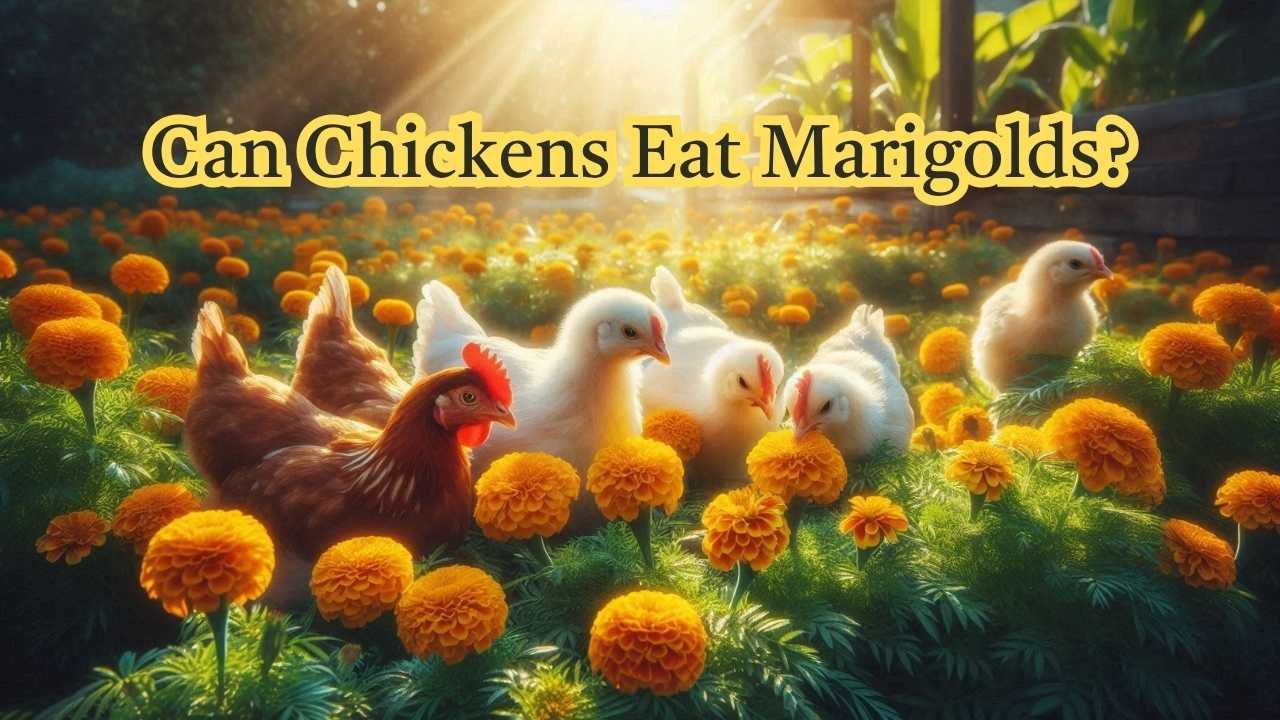
If you raise backyard chickens, you’ve likely wondered, “can chickens eat marigolds?” Well, yes, not only are they safe, but very beneficial too! These sunny yellow/orange blooms are more than decorative. They can have a positive impact on your chickens’ wellbeing.
The first time I threw a few handfuls of marigold petals into my coop I was a bit surprised. I watched with surprise as my chickens came running like I had given them a treat. This was unexpected, but thrilling. Seeing them eat it got me wondering about what the truth behind these flowers was. And so I discovered how they can enhance the colour of eggs, and promote good health, not to mention ward off pests.
In this guide, we will explore everything you need to know about can chickens eat marigolds, including their benefits, feeding methods, safety tips, and more. Whether you are a beginner or an experienced chicken keeper, this article will help you make smarter, safer feeding choices.
Can Chickens Eat Marigolds Safely?
Let’s address the main question clearly: can chickens eat marigolds safely? The answer is yes. Marigolds are non-toxic and safe for chickens to eat. Chickens find the new colours appealing, and will show interest in eating them.
But as with all treats, they should be given in moderation. They do require a variety of food and treats should not take away from their regular feed. Marigolds should be considered a treat, not a main course. They are a healthy treat rather than main course.
It’s also worth considering what part of the marigold you are feeding. The petals are the best choice. Although the stalks and leaves are not severely toxic, they don’t have as much nutritional value and might not taste as good. You can thereby provide your flock with the best of both worlds.
Nutritional Value of Marigolds for Chickens
When people ask, can chickens eat marigolds, they often don’t realize how nutritious these flowers are.
Marigolds are rich in antioxidants, particularly lutein and carotenoids, which are important for chicks.
These substances help to strengthen immunity. They help improve skin and feather health too. If your chickens have lacklustre feathers, feeding fresh foods like marigolds can help over time.
The most fun thing of all is the effect marigolds have on egg yolks. These flowers’ colours contribute to dark orange egg yolks. That’s something backyard chicken keepers enjoy. It makes the eggs look more like they’re from the farmer’s market than pale eggs from the supermarket.
| Nutrient | Benefit for Chickens |
|---|---|
| Lutein | Improves eye health and egg yolk color |
| Carotenoids | Boost immune system |
| Antioxidants | Reduce inflammation |
| Natural pigments | Enhance egg appearance |
Adding marigolds to your chickens’ diet is like giving them a natural health boost with every bite.
Benefits of Feeding Marigolds to Chickens
1. Egg Yolk Enhancement
A major reason people try can chickens eat marigolds is for egg production. Marigolds are orange and can give the yolks more color. You can expect your eggs to become more golden over time.
There’s more than meets the eye here. Chicken owners tend to think darker yolks mean eggs are more nutritious. It may not make eggs taste that much different, but it certainly enhances their look.
2. Natural Health Booster
Marigolds are a nutritional supplement. Marigolds have anti-inflammatory and healing properties. If your chickens suffer any minor injuries, they can speed up the healing process.
Marigolds are like vitamins for chickens. Rather than giving your chickens synthetic vitamins, you can give them some easy homegrown goodness.
3. Pest Control Support
Another surprising benefit of asking can chickens eat marigolds is learning about their role in pest control. Marigolds have natural compounds that repel insects. When planted around the coop, they can help reduce flies, mites, and lice.
Some chicken keepers even place dried marigold petals in nesting boxes. This creates a cleaner and more comfortable environment for hens. It’s a simple trick, but it can make a big difference over time.
4. Mental Stimulation and Enrichment
Chickens are curious creatures. They like to play, dig and forage. By hanging marigolds in the coop, chickens can playfully pluck them.
This can help keep them from getting bored and indulging in aggressive pecking. Contentment and happiness leads to good health, and happy chickens are healthy chickens.
How to Feed Marigolds to Chickens
If you’re convinced that can chickens eat marigolds is worth exploring, the next step is knowing how to feed them properly.
Here are some easy methods:
- Fresh Petals: Pick fresh flowers and scatter the petals in the coop
- Dried Petals: Dry them and mix into regular feed
- Hanging Flowers: Tie whole flowers for chickens to peck at
- Mixed Treats: Combine petals with grains or vegetables
Each method has its own charm. Fresh petals are quick and easy, while dried petals are perfect for long-term use.
Fresh vs Dried Marigold for Chickens
Many people ask whether fresh or dried marigold for chickens is better. The truth is, both work well. It depends on your situation.
Marigolds are wonderful in their fresh state. They are succulent, colourful and chickens love them. But they only last a couple days.
But marigolds work great in winter when dried. You can leave them for months and use them when they are not in season. They also retain some nutrients when dried, making them great for feed.
It’s helpful to user the fresh petals in summer and the dried in winter.
Can Chickens Eat Marigolds in the Winter?
Yes, and this is where dried flowers shine. If you’re wondering, can chickens eat marigolds in the winter, the answer is still yes. You just need to prepare ahead.
You can dry marigold petals in the summer and use them throughout the year. During winter you can then add it to feed without losing health qualities.
Chickens can become stressed in winter, both from the cold and lack of forage. Marigolds provide a nutritional supplement and add variety to their diet.
Are All Marigolds Safe for Chickens?
This is an important question. When asking can chickens eat marigolds, you should know that not all plants with similar names are safe.
Marigolds (Tagetes) are fine. But don’t confuse these with other similar looking plants. For instance, other flowers such as morning glories are poisonous.
Make sure you know the plant you have. If you don’t know, don’t feed it. It is better to be safe than sorry.
What Flowers Are Safe for Chickens?
Marigolds are not the only safe option. If you’re curious beyond can chickens eat marigolds, here are some other safe flowers:
- Sunflowers
- Calendula
- Nasturtiums
- Roses (petals only)
- Lavender
These flowers can add variety to your chickens’ diet. Just like marigolds, they should be fed in moderation.
Offering different flowers can also make feeding time more exciting for your flock.
Can Chickens Eat Marigold Seeds?
A common follow-up question is about seeds. While discussing can chickens eat marigolds, it’s worth noting that seeds are not commonly fed.
Marigold seeds aren’t overly toxic to chickens, but aren’t nutritious either. Your chickens might eat them, but they will do little good.
It’s best to plant the petals. These are the part of the plant that contains most of the nutrients and that chickens like best.
Can Chickens Eat Marigolds in Water?
Some people try to mix flowers with water. When considering can chickens eat marigolds in water, it’s not the most effective method.
Flavored water can be a waste if pecking is preferred. Marigolds in water may not be very useful and can also cause the water to become murky.
So it’s better to serve this dry or fresh. This will help chickens eat the petals and get the nutrients.
Common Mistakes to Avoid When Feeding Marigolds
Even though the answer to can chickens eat marigolds is a clear yes, there are still a few mistakes that many beginners make. I’ve made a few of those, so consider this advice from a friend. Most common is over-indulgence. Chickens are like any animal and normally enjoy treats, but if you feed too many marigold petals, they may not eat as much balanced food.
Another mistake is simply feeding the entire plant. The good bits are the petals but the stems and leaves are less good, and often forgotten about. It’s good to get the best bang for your buck. Also, don’t use flowers that have been exposed to pesticides. Small or large, pesticide exposure can damage your flock.
Finally, do not be fooled into thinking all colourful flowers are chicken safe. That’s not the case. Make sure you know what you are feeding. Better be safe than sorry with your flock.
How Much Marigold Should Chickens Eat?
When thinking about can chickens eat marigolds, the next logical step is quantity. Chickens don’t need much to get the benefits. A couple of handfuls per flock every few days or so will do.
Chickens should only eat treats, like marigolds, 10% of the time. The other 90% needs to be a good quality commercial feed or a natural diet. This will guarantee them all the nutrients they need for growth and egg laying.
If your chickens are not eating their feed, they could well be full of treats. It’s all about balance. Less is more when it comes to marigolds (and spices). You add to it to develop flavour.
Growing Marigolds for Your Chickens
If you’re asking can chickens eat marigolds, you might also consider growing them yourself. This is one of the best and most simple things you can do for your chickens. Marigolds are easy to grow, and don’t need much fuss.
Grow them around the coop and in the garden. They thrive in full sun and once established aren’t that thirsty. They are good for two things. They serve as a treat for your chickens and act as a natural insect repellent.
For me, growing marigolds around the run made the area more vibrant. The chickens would eat them on occasion while roving, and it was less flyy. It seemed like a no-brainer ammendment to the whole thing.
Seasonal Feeding Strategy for Marigolds
A smart chicken keeper always plans for the seasons. When exploring can chickens eat marigolds, it helps to think long-term. Fresh marigolds are readily available in spring and summer. Now is a good time to use fresh ones from the garden.
But as it gets cooler fresh flowers become harder to find. Dried petals are then useful. Preserve marigold petals when in season and store them in an air-tight container. By doing so, you can provide your chickens with fresh food year-round.
It ensures your chickens have a steady diet. And it saves you money and food waste. You know how we put food aside for the winter? It saves you time in the end.
Combining Marigolds with Other Healthy Treats
If you already know can chickens eat marigolds, you might want to take things further by mixing them with other treats. Chickens enjoy variety, and combining foods can improve both nutrition and enjoyment.
Here are some great combinations:
- Marigold petals and corn or wheat
- With leafy vegetables like spinach or lettuce
- Mixed with vegetable peels and scraps
- Mixed with chicken treat recipes
This makes a nutritious treat. It also stimulates your chickens. Think about eating the same thing every day. It gets boring fast. Chickens are the same, and variety keeps them interested.
Observing Your Chickens’ Reaction
One of the best parts about testing can chickens eat marigolds is watching how your flock reacts. Chickens are very expressive in their own way. When they like something, you will know immediately.
They will come running, peck, and even squeal. If they don’t want to eat it, they will leave it alone. You can easily change your feeding strategy.
Watch their health, too. Shiny feathers, active chickens and good egg production are good indicators that you are on the right track. That means your feeding decisions are on track. Chickens will never lie to you.
Long-Term Benefits of Feeding Marigolds
Over time, the benefits of asking can chickens eat marigolds become more visible. You may notice richer egg yolks, healthier feathers, and a more active flock. These changes don’t happen overnight, but they build gradually.
Marigolds are also good for the environment. You’re not using artificial additives, but rather something natural. It seems more natural and can be more effective.
You also get the reward of using your own backyard to help your chickens. Your chickens are also more connected to their surroundings. This is something that many backyard farmers value.
Quick Feeding Guide
Here’s a simple summary to help you remember everything about can chickens eat marigolds:
- Feed petals only for best results
- Use fresh or dried depending on season
- Avoid chemically treated flowers
- Keep treats under 10% of diet
- Store dried petals for winter use
This quick guide can act as a checklist whenever you’re unsure. It keeps things simple and safe.
FAQs About Can Chickens Eat Marigolds
1. Can chickens eat marigolds every day?
Yes, but only in small amounts. Daily feeding is fine if it stays within treat limits. Balance is key to keeping your flock healthy.
2. Are all marigolds safe for chickens?
Most true marigolds are safe. However, always avoid look-alike plants that may be toxic. Correct identification is important.
3. Can baby chicks eat marigolds?
Yes, but in very small amounts. Their diet should mostly consist of starter feed. Marigolds can be introduced as a tiny treat.
4. Do marigolds really change egg yolk color?
Yes, they can make yolks more vibrant. The natural pigments in marigolds enhance the orange color over time.
5. Can chickens eat dried marigold petals?
Absolutely. Dried petals are a great option, especially in winter. They retain most of their nutrients.
6. What happens if chickens eat too many marigolds?
Overfeeding may reduce their intake of balanced feed. This can lead to nutritional imbalance. Moderation is always best.
7. Can chickens eat marigold seeds?
They can, but seeds are not very beneficial. Petals are the better choice for nutrition and taste.
Final Thoughts: Can Chickens Eat Marigolds?
So, after everything we’ve covered, the answer to can chickens eat marigolds is a confident yes. Not only are they safe, but they also offer real benefits that improve your chickens’ health and egg quality.
Marigolds are a modest but mighty addition to your chickens’ diet, helping with everything from egg yolk colour to immune function, and even pest control. They’re easy to grow, easy to feed and easy to store.
If you want to make your chicken’s lives a little better, try adding marigolds to their diet. Sometimes it’s the little things that count. And in the case of marigolds, a flower can do wonders for your chickens.
See Also:
Can Chickens Have Blackberries?

Joel Callahan is a father of two daughters in Alaska. He runs a family poultry farm and works part-time as a food department adviser. He shares simple farming tips and advice.