
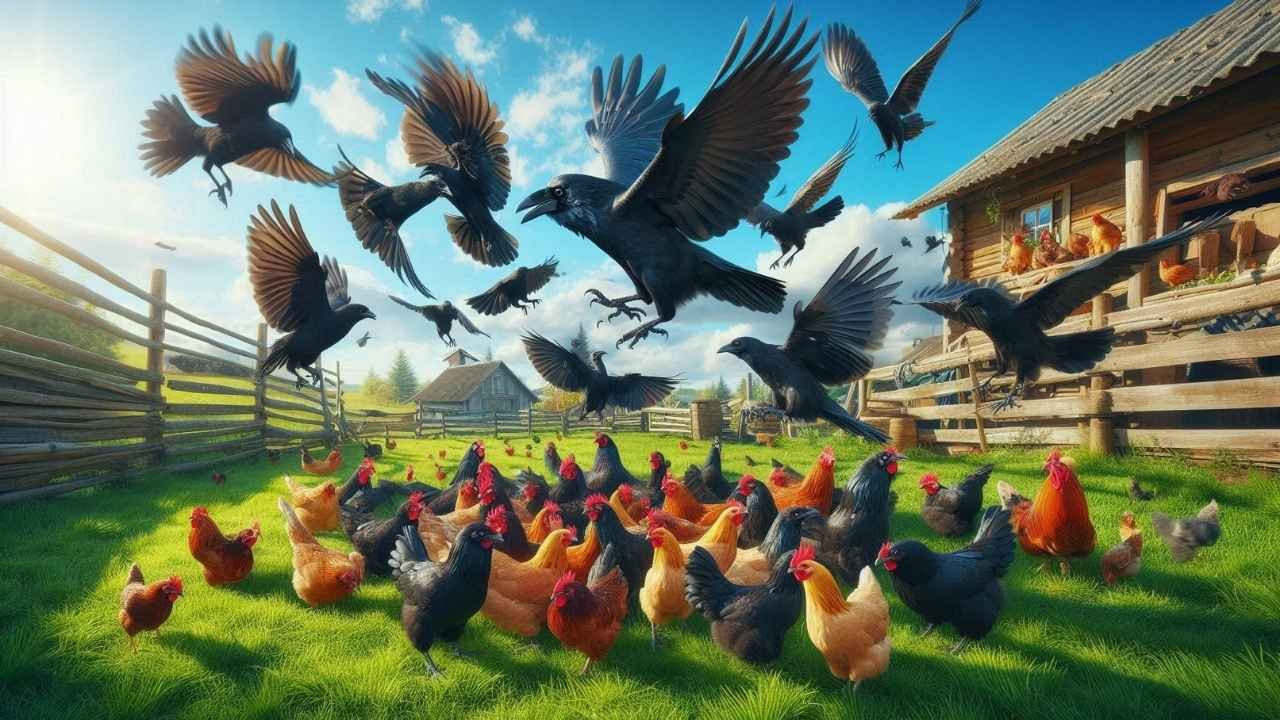
If you keep chickens, you know the feeling. You hear a strange call above, look up, and spot a large black bird circling. Your heart skips a beat. You start to wonder, will ravens attack chickens, or are they just passing by?
It is not a figment of imagination. It is real. Backyard farmers and rural families have lost everything, without knowing why. It seems safe one moment, then chicks disappear or the eggs are stolen.
Ravens are not like small seed-eating birds. They are smart. Very smart. They watch. They learn. They wait for the right moment. Here we will explain everything you need to know about will ravens attack chickens, their behaviour, and how to keep your chickens safe – in an easy to understand manner.
Understanding Ravens: Smart and Silent Hunters
Ravens are the smartest birds around. They are in the same family of birds as crows. But they are larger and stronger and sometimes braver.
They are not always hawks. They watch and learn. They see when the chickens are not roaming together. They find where the hens lay eggs. They learn where things are in your yard.
This is why many people are shocked. They think, “It was safe yesterday.” But ravens are patient. They wait for weakness. That is why the question will ravens attack chickens has a clear answer: yes, they will, especially when they see an easy chance.
Do Ravens Really Attack Chickens?
Let’s be clear. Will ravens attack chickens? Yes, they can and they do.
But the type of attack depends on the situation. Ravens don’t like to work too hard. They are not reckless. They look for the best food for their effort.
They usually target chicks, eggs or sick chickens. Adult chickens are tougher, but they are not always out of harm’s way. If a raven or a flock of ravens is hungry, they can be mean.
It’s like a burglar. They don’t try the house with the locked door. They go for the easy target. Ravens are the same.
Chicks: The Most Vulnerable Target
Chicks are easy prey. They are small. They are slow. They don’t know they are in danger.
A raven can see a chick from a long way away. It may swoop down, take it and fly away fast. It may even not eat the chick at once. It will take it away.
That’s why beginner chicken keepers lose chicks. They assume the chicks are secure in the yard. But if they are found by a raven, it might return.
If you are raising chicks, always remember this truth behind will ravens attack chickens: chicks are the first target.
Eggs: An Easy Meal Ravens Love
Ravens are also known for stealing eggs. They are smart enough to find nests, even well-hidden nests.
They may wait until your hens lay eggs. And when they are alone, they steal them. In fact, some ravens may steal eggs without breaking them.
Eggs are nutritious and they are delicious. It is as good as free food.
Many chicken owners ask, “What is killing my chickens?” It is not killing them. It is stealing eggs. And usually, the culprit is ravens.
Can Ravens Kill Adult Chickens?
This is where things get serious. It is rare, but adult chickens can be attacked by ravens.
They seldom do it alone. They might do so in groups. This is called mobbing. One distracts and the other attacks.
They may peck at vulnerable spots such as the head and eyes. This can make the chicken sick. When the chicken is wounded, it is easier to kill.
So, again, will ravens attack chickens, even grown ones? Yes, especially if they are hungry or desperate. It may not happen every day, but it does happen.
Will Ravens Attack Chickens at Night?
This is a common question: Will ravens attack chickens at night?
Short answer is no, they don’t. Ravens are daytime birds. They go hunting and foraging during the day.
Other predators are more active at night. Foxes, raccoons and snakes are more likely to get at your chickens at night.
But if your coop is not secure, you can still lose chickens to daytime predators, such as ravens. So, while you feel safe during the night, you need to be safe during the day.
Are Crows a Danger to Chickens Too?
Many people confuse ravens and crows. They look similar, but ravens are bigger and stronger.
Still, the question are crows a danger to chickens is valid. The answer is yes, but usually less severe than ravens.
Crows may steal eggs or attack very small chicks. But they are often more cautious than ravens. Ravens tend to be more aggressive and bold.
So, while both can be a problem, ravens are often the bigger threat when asking will ravens attack chickens.
What Is the Number One Killer of Chickens?
There are many answers to this question. It depends on where you live.
In many rural settings, land predators are the culprits – dogs or foxes. Other areas might have avian predators such as hawks.
But don’t overlook ravens. They may not take as many chickens as other predators, but they take a toll on chicks and eggs.
So, when you ask what is the number one killer of chickens, the honest answer is: it varies. But ravens are definitely on the list, especially for small flocks.
Signs Ravens Are Targeting Your Flock
Ravens do not leave clear signs like some animals. But if you pay attention, you can spot clues.
Here are a few signs to watch for:
- Missing chicks with no trace
- Broken or missing eggs
- Ravens watching your yard often
- Loud calls near your coop
- Chickens acting nervous or hiding
These signs may seem small at first. But together, they tell a story. And that story often answers the question: will ravens attack chickens in your area.
Why Ravens Choose Certain Flocks
Not all flocks are attacked. Ravens take their chances.
If your chickens are free-range and without shelter, they’re vulnerable. If you have a weak or open coop, you’re asking for trouble.
And ravens remember where they eat. If they are successful, they learn. They return again and again.
So stop ’em before they start. Once ravens know they can find food in your yard, it’s difficult to discourage them.
Quick Risk: How Vulnerable Is Your Flock?
Below is a simple table to help you understand risk levels:
| Flock Condition | Risk Level | Why It Matters |
|---|---|---|
| Open free-range area | High | No protection from above |
| Covered run | Low | Blocks aerial attacks |
| Weak coop | High | Easy access to eggs |
| Strong secure coop | Low | Keeps birds safe |
| Young chicks present | Very High | Easy prey |
This table shows a simple truth. Protection reduces risk. Without it, the answer to will ravens attack chickens becomes more likely.
Emotional Reality: Losing Chickens Hurts
Let’s be honest. Chickens are not just animals. They become part of your daily life.
You feed them. You watch them grow. You learn their behavior. Some even feel like pets.
So when a predator attacks, it feels personal. It feels like you failed them.
But this is not about blame. It is about understanding. Ravens are not evil. They are just trying to survive.
Once you understand their behavior, you can take better steps to protect your flock. And that is what we will cover next.
How to Protect Your Chickens from Ravens
Now that we understand the risk, let’s talk about solutions. The goal is simple: remove the opportunity. When ravens see no easy food, they move on.
The most effective step is using a covered run. This means placing netting or wire over the top of your chicken area. Ravens attack from above, so blocking that path changes everything.
Also, keep your coop secure. Close gaps. Lock doors. Ravens are smart enough to explore weak spots. When people ask again, will ravens attack chickens, the answer depends a lot on how well the space is protected.
Covered Runs: Your First Line of Defense
A covered run acts like a shield. It stops aerial predators from swooping down.
You can use strong netting, wire mesh, or even shade cloth. The key is to make sure there are no open gaps. Ravens only need a small opening to cause damage.
If your chickens roam freely, try to limit that time. Or supervise them. Free-ranging feels natural, but it comes with risk.
Many experienced keepers say this one change alone reduced their losses. So when thinking about will ravens attack chickens, remember: a roof can save lives.
Provide Hiding Spots and Shelter
Chickens need places to hide. In the wild, they would run under bushes or trees.
You can recreate that by adding:
- Bushes or shrubs
- Wooden shelters
- Small shaded corners
- Old crates or boxes
These spots give chickens a quick escape when danger appears. Ravens prefer easy prey. If a chicken can hide fast, the raven often gives up.
This simple trick works well, especially for free-range setups. It shifts the answer to will ravens attack chickens from “likely” to “less likely.”
Secure Your Coop Like a Fortress
Your coop is your chickens’ safe home. But only if it is truly secure.
Check for:
- Loose wires
- Open gaps
- Weak doors
- Easy access points
Ravens can peck, pull, and test structures. They may not break heavy locks, but they can exploit small flaws.
Also, collect eggs often. Do not leave them sitting all day. Eggs attract attention, and once ravens learn the location, they return.
A strong coop changes the game. It tells predators: this place is not worth the effort.
Use Visual Deterrents to Scare Ravens
Ravens are cautious birds. They avoid things that seem strange or threatening.
You can use this to your advantage:
- Hanging reflective objects
- Shiny tape that moves in wind
- Old CDs or foil strips
- Fake predator figures
These items create movement and light. It confuses and scares ravens.
However, do not rely on this alone. Ravens are smart. Over time, they may realize the threat is fake. So combine this with physical protection.
Still, it is a helpful layer when dealing with the question will ravens attack chickens.
Keep Food and Waste Under Control
Food scraps can attract ravens. If they find easy meals, they will stay nearby.
Avoid leaving:
- Open feed containers
- Kitchen waste near the coop
- Spilled grains on the ground
Keep feeding areas clean. Store food in sealed containers. The less attraction, the less attention from predators.
Ravens remember food sources. Once they mark your place as “safe food,” they return often. This increases the chance that ravens will attack chickens becoming reality.
Limit Free-Range Time Wisely
Free-ranging is great. Chickens love it. But it exposes them to risk.
Try to release chickens during safer times. Midday is often better, as many predators are less active then.
Also, avoid letting young chicks roam freely. They need more protection.
If possible, stay nearby. Your presence alone can deter ravens. These birds prefer quiet, empty areas where they feel safe.
Balancing freedom and safety is key. It helps reduce the real danger behind will ravens attack chickens.
Community Insight: Learning from Others
Many chicken keepers share their stories online. A common pattern appears.
One person loses a few eggs. Then a chick disappears. Soon after, more losses follow. Only later do they realize ravens were watching all along.
Others say once they covered their run, the attacks stopped completely. Some noticed ravens testing their setup for days before acting.
These real-life experiences remind us: prevention works better than reaction.
So when you wonder will ravens attack chickens, remember that others have faced it and solved it.
Long-Term Strategy: Make Your Yard Unattractive
The best defense is making your yard boring to predators.
Ravens want easy food. If your setup is difficult, they move on to easier places.
Think of it like a shop with strong locks and no display items outside. Thieves skip it.
You can do the same by:
- Keeping everything secure
- Removing food signals
- Adding barriers
- Changing layouts occasionally
Over time, ravens lose interest. And that is the goal.
Final Thoughts: Will Ravens Attack Chickens?
So, will ravens attack chickens? Yes, they can. And sometimes they will.
But this does not mean you are helpless. With simple steps, you can protect your flock and reduce risk.
The key is awareness. Watch your environment. Notice changes. Act early.
Chickens depend on you. And with the right approach, you can give them a safe and peaceful life.
FAQs About Ravens and Chickens
1. Will ravens attack chickens every day?
No, not every day. Ravens attack when they see an easy chance. If your flock is well protected, attacks become rare.
2. What bird is killing my chickens if I don’t see anything?
It could be a raven, hawk, or even a crow. Look for signs like missing chicks or broken eggs to narrow it down.
3. Will ravens attack chickens at night?
No, ravens are active during the day. Night attacks are usually caused by animals like foxes or raccoons.
4. Are crows a danger to chickens?
Yes, but usually less than ravens. Crows may target eggs and small chicks, but they are often less aggressive.
5. What is the number one killer of chickens?
It depends on your area. Foxes, dogs, and hawks are common. Ravens are also a threat, especially for chicks and eggs.
6. Can a single raven kill a chicken?
It is rare, but possible. More often, they work in groups or target weaker birds.
7. How do I stop ravens from coming back?
Remove food sources, secure your coop, and use covered runs. Once they find no food, they usually leave.
See Also:
Do Groundhogs Attack Chickens?
Can You Kill a Hawk if It Attacks Your Chickens?

Joel Callahan is a father of two daughters in Alaska. He runs a family poultry farm and works part-time as a food department adviser. He shares simple farming tips and advice.