
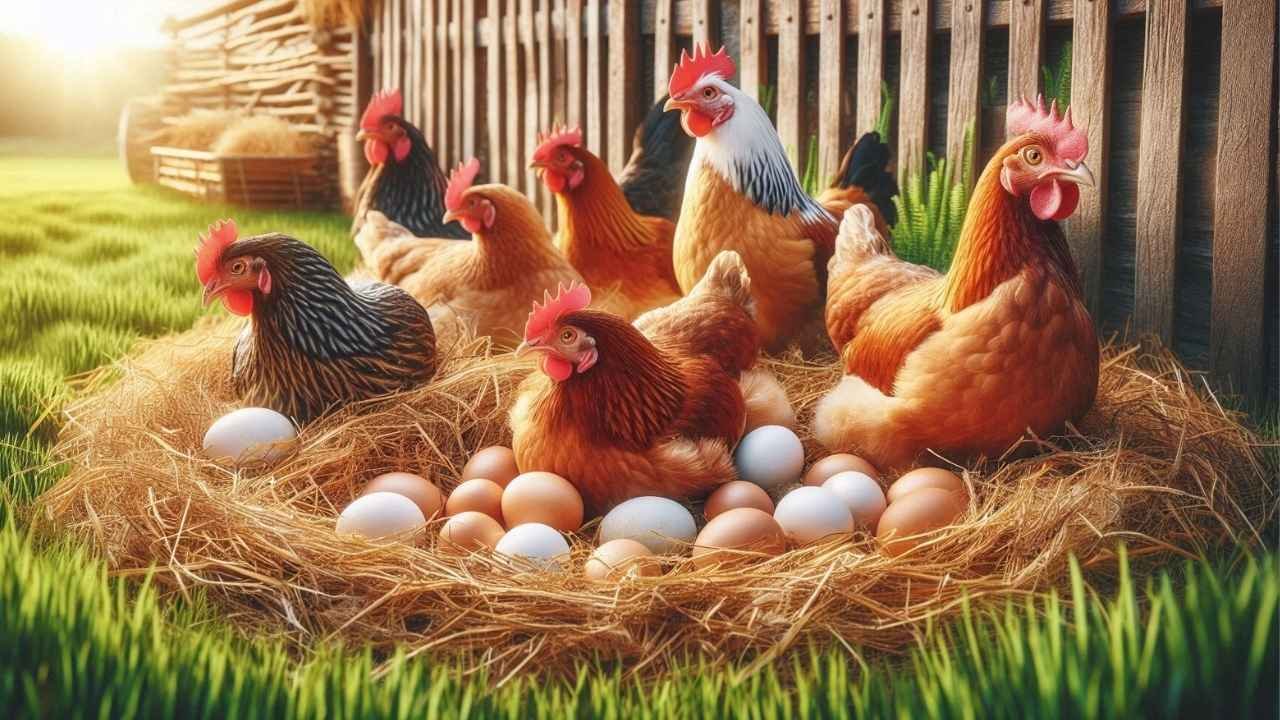
Have you ever wondered why do hens lay eggs without mating? You may look and find a hen busy laying eggs in the coop when not a rooster in sight. It is one of those questions which many people are confused about and it is one of those questions that many people who are newly into chicken rearing or who are just interested in poultry in the backyard will be confused. It is not about romance, but about biology and the marvelous cycles of nature and design.
Hens are amazing creatures. After they are mature, their bodies are designed to generate eggs on a regular basis. This does not require a male hen or rooster. Actually, the majority of the eggs we purchase in the stores are the products of a hen laying unfertilized eggs. You only need a rooster in case you want your chicks to hatch. Otherwise, a hen will go on her egg-laying quest solely due to her hormonal cycle.
In this article, we’ll explore why hens lay eggs without mating, how their biological process works, and the fascinating science behind it. We’ll also answer common questions like “Can a chicken lay eggs without mating?” and “Do hens lay eggs every day?”. By the end, you’ll have a clear understanding of this daily miracle in your backyard or on your breakfast plate.
Contents
- 1 The Natural Cycle of Egg Production
- 2 Fertilized vs. Unfertilized Eggs: What’s the Difference?
- 3 Selective Breeding and High Egg Production
- 4 The Biological Process: Step by Step
- 5 Why Hens Keep Laying Without a Rooster
- 6 Fun Fact: How Many Eggs Do Chickens Lay Naturally?
- 7 Common Questions About Egg-Laying Hens
- 8 Why Understanding This Matters
- 9 The Cultural and Everyday Relevance of Egg-Laying
- 10 Tips for Encouraging Healthy Egg-Laying
- 11 Key Takeaways About Why Hens Lay Eggs Without Mating
- 12 Fun Bullet Points About Hens and Egg-Laying
- 13 Final Thoughts: Why Do Hens Lay Eggs Without Mating?
- 14 FAQs
- 14.1 Q1: Does a chicken lay eggs without mating?
- 14.2 Q2: Can a male hen lay eggs?
- 14.3 Q3: Do hens lay eggs every day?
- 14.4 Q4: What is the natural number of eggs that chickens lay?
- 14.5 Q5: Can you eat unfertilized eggs?
- 14.6 Q6: Is a rooster affecting the production of eggs?
- 14.7 Q7: Why do hens cease laying eggs?
The Natural Cycle of Egg Production
The primary reason that hens lay eggs without mating is the fact that hens procreate organically. Like human beings, a hen also possesses a hormonal cycle in her body that triggers the production of eggs. Once a hen has reached the required age, the ovaries will start producing the yolks after every 24-26 hours. This emission either takes place or does not take place in the presence of a rooster.
The simple principle of its operation is as follows:
- The yolk forms in the ovary.
- The yolk is pushed out of the oviduct.
- The hen body coats the yolk with egg white (albumen), membrane and lastly with a protective shell.
- This is repeated on a daily basis until her body relaxes like when in the process of molting.
This cycle implies that hen are naturally predisposed to lay eggs and fertilization is an optional stage. The hen does not need a rooster to awaken the desire in her, but it is a biological cycle.
Fertilized vs. Unfertilized Eggs: What’s the Difference?
Many people are curious about can a male hen lay eggs or whether eggs without a rooster are viable. The truth is straightforward: eggs laid without mating are unfertilized, meaning they will never develop into chicks. Fertilization occurs only if a rooster mates with the hen, depositing sperm to join the yolk.
Unfertilized eggs are exactly what you see in grocery stores. They’re completely safe to eat and taste no different from fertilized eggs. Understanding this difference is important for anyone curious about raising chickens or even just buying eggs.
Here’s a simple table to illustrate the differences:
| Feature | Fertilized Egg | Unfertilized Egg |
|---|---|---|
| Requires Rooster | Yes | No |
| Can Hatch | Yes | No |
| Commonly Sold in Stores | Rare | Yes |
| Hormonal Trigger Needed | No additional trigger | Natural cycle sufficient |
This table helps clarify a common misconception: the hen’s body doesn’t need a rooster to lay an egg. Her hormonal cycle alone drives production.
Selective Breeding and High Egg Production
The contemporary hens are the result of selective breeding, which is more egg-laying than the wild ones. Other breeds such as White Leg Horns are able to lay almost one egg per day as compared to traditional hens which lay less. This type of breeding does not influence the necessity to mate, it just utilizes the natural production of eggs in the hen.
Due to selective breeding, hens are able to keep somewhere close to a daily production of eggs without the presence of a rooster. They are conditioned to focus more on egg production, rather than reproduction. This trait is beneficial to farmers and backyard enthusiasts to have a constant and fresh supply of eggs.
The Biological Process: Step by Step
Let’s take a deeper look at what happens inside a hen each day. Egg-laying is a meticulously timed process:
- Ovulation: The hen releases a yolk from her ovary.
- Transport: The yolk moves through the oviduct.
- Coating: Layers of albumen and membranes cover the yolk.
- Shell Formation: Calcium carbonate hardens around the egg to form a protective shell.
- Laying: After about 26 hours, the hen lays the egg, ready for collection or consumption.
This cycle repeats almost daily, depending on the hen’s age, breed, and health. Even without mating, her body naturally completes this process, showing the brilliance of biological design.
Why Hens Keep Laying Without a Rooster
The question asked is one:– If no rooster, do hens cease to lay? The answer is no. Hens will keep on laying till they have run out of eggs naturally, hit a moulting phase or suffer nutritional deficiencies. It is not their bodies that are reliant on getting fertilized, their bodies are governed by a hormonal clock that is set to reproduce regularly.
Imagine it to be a clock that will never run out of time. A male hen can only affect the schedule; in other words, it helps the eggs to be hatched into chicks. Hens lay eggs every day since their bodies are programmed to lay eggs and not because they have to mate.
Fun Fact: How Many Eggs Do Chickens Lay Naturally?
Curious about how many eggs do chickens lay naturally? On average:
- Traditional breeds: 100–150 eggs per year
- High-production breeds: 250–300 eggs per year
This number can vary based on age, health, and environment. Even in backyard coops without roosters, hens maintain impressive consistency, showing that egg-laying is primarily about biology, not breeding.
Common Questions About Egg-Laying Hens
When it comes to egg-laying, there are many myths and curiosities. Let’s answer some of the most common questions about why do hens lay eggs without mating and other related topics.
1. Is it possible to make a chicken lay eggs without having to mate?
Absolutely! The hen is fitted with a natural hormonal production of eggs. Fertilization is optional. With or without a cock, hens will lay eggs regularly. This is what makes it possible to have eggs produced by backyard flocks or commercial egg farms without ever having a male bird.
2. Can a male hen lay eggs?
Roosters, or male chicken, are incapable of laying eggs. The reproductive organs needed to produce yolks, coat them with albumin and shells, and lay eggs are only found in female chickens, hens. Roosters never produce, just fertilize the eggs.
3. Do hens lay eggs every day?
A lot of hens produce eggs nearly every day, particularly the high production breeds. This can however be influenced by natural cycles, age, nutrition and daylight hours. A healthy hen lays an egg in every 2426 hours on average. This daily routine goes on even without a rooster.
4. What is the average number of eggs that chickens lay?
Henna lay 100-300 eggs in a year, depending on the breed and the health. Conventional breeds might lay fewer eggs, with commercial layers able to lay close to one egg per day. Notably, these figures are calculated on the natural biological cycle of the hen, but not on mating.
5. Is it safe to eat unfertilized eggs?
Yes! Unfertilized eggs laid are safe to consume. These are the eggs that you find in grocery stores. No difference in taste or in nutrition with fertilized eggs.
6. Does a cock influence the production of eggs?
No, having a rooster does not add eggs to the lay. You only need the roosters when you wish to have fertilized eggs which will give birth to Chickens. The hen proceeds to lay eggs anyway.
7. Why not lay eggs when hens do?
During molting, sickness, stress or poor feeding, hens may cease to lay. These pauses are natural and enable the hen to rest and renew herself before beginning to go through her cycle again.
Why Understanding This Matters
Knowing why hens lay eggs without mating helps backyard farmers, culinary enthusiasts, and curious minds alike. Here’s why this knowledge is valuable:
- Egg Collection: Understanding the cycle ensures you collect eggs at the right time.
- Nutrition: Hens require proper feed and calcium to maintain a healthy laying pattern.
- Hatch Planning: Only fertilized eggs hatch. If you want chicks, you’ll need a rooster; otherwise, eggs are for consumption.
- Animal Welfare: Recognizing natural rhythms helps you provide an environment that supports the hen’s health and reduces stress.
By appreciating the biology behind egg-laying, you can care for hens more effectively and make informed decisions about your flock.
The Cultural and Everyday Relevance of Egg-Laying
The eggs have existed in human lives many centuries ago, and they symbolized fertility, food, and celebration. Eggs are a primary food and a feature of culture. Most societies might not know that the eggs they are taking are never fertilized and laid without any sexual intercourse.
Consider breakfast tables, bakery counters and holiday feasts. These eggs are the products of unbelievable biology of the hen, not reproduction. Put simply, it is a testimony of the design of nature that we eat eggs, hens lay eggs, it is a routine, and humans have learnt to utilize this gift.
Tips for Encouraging Healthy Egg-Laying
Although hens lay eggs without mating, their setting is also important to consistency and quality. Here are some practical tips:
- Balanced Diet: Feed high in protein and calcium.
- Comfy Coop: Provide a comfortable stress-free workplace.
- Light Exposure: Hens require approximately 14 -16 hours of light in order to lay optimally.
- Frequent Health Examinations: Pay attention to parasites or ailments that may disrupt the production of eggs.
These tips will help hens keep to their natural rhythm having regular, healthy egg-laying, even in the absence of a rooster.
Key Takeaways About Why Hens Lay Eggs Without Mating
Here are the highlights of our learning:
- The laying of eggs is a natural hormonal cycle, and does not depend on fertilization.
- Even in the absence of a male hen, hens can produce eggs on a daily basis.
- Unfertilized eggs are edible and are found in shops.
- The only thing required to produce eggs is fertilization by roosters.
- Selective breeding has improved laying frequency and hens have become very effective egg producers.
- Knowledge of this process assists in flock management, nutrition and egg collection.
Fun Bullet Points About Hens and Egg-Laying
- Hens have a laying interval of about 24-26 hours.
- Breds with high production have a potential of laying close to 300 eggs per year.
- Calcium is necessary to form the shell hence a healthy diet is necessary.
- Eggs are laid which have not been fertilized until a rooster mates with the hen.
- In the case of hens, the laying will go on even without a male until molting takes place.
Final Thoughts: Why Do Hens Lay Eggs Without Mating?
The question “Why do hens lay eggs without mating” might seem puzzling at first, but the answer lies in nature’s brilliance. Hens are built to produce eggs regularly as part of their hormonal cycle. Fertilization is optional, and their bodies don’t wait for a rooster to start the process.
This not only helps to dispel many of our existing misunderstandings but it also helps us to appreciate these amazing birds even better. As a backyard farmer or cooking enthusiast or just someone who finds the natural capacity of hens to lay eggs on a daily basis, hens will provide you with an intriguing insight regarding the marvels of animal physiology.
FAQs
Q1: Does a chicken lay eggs without mating?
A1: Yes, hens lay eggs with or without fertilization.
Q2: Can a male hen lay eggs?
A2: No, only female hens lay eggs.
Q3: Do hens lay eggs every day?
The majority of them, including high-production breeds, have a 24 to 26-hour cycle.
Q4: What is the natural number of eggs that chickens lay?
A4: 100-300 per year, depending on breed, age, and environment.
Q5: Can you eat unfertilized eggs?
A5: They are without doubt safe, and nutritionally the same as fertilized eggs.
Q6: Is a rooster affecting the production of eggs?
A6: No, roosters are just required to fertilize.
Q7: Why do hens cease laying eggs?
A7: Molting, stress, illness or poor nutrition may temporarily suspend the production of eggs.
See Also:
Can Chickens Lay 2 Eggs a Day?
High Production Egg Laying Chickens
Do Chickens Lay Eggs From Their Anus?

Joel Callahan is a father of two daughters in Alaska. He runs a family poultry farm and works part-time as a food department adviser. He shares simple farming tips and advice.