
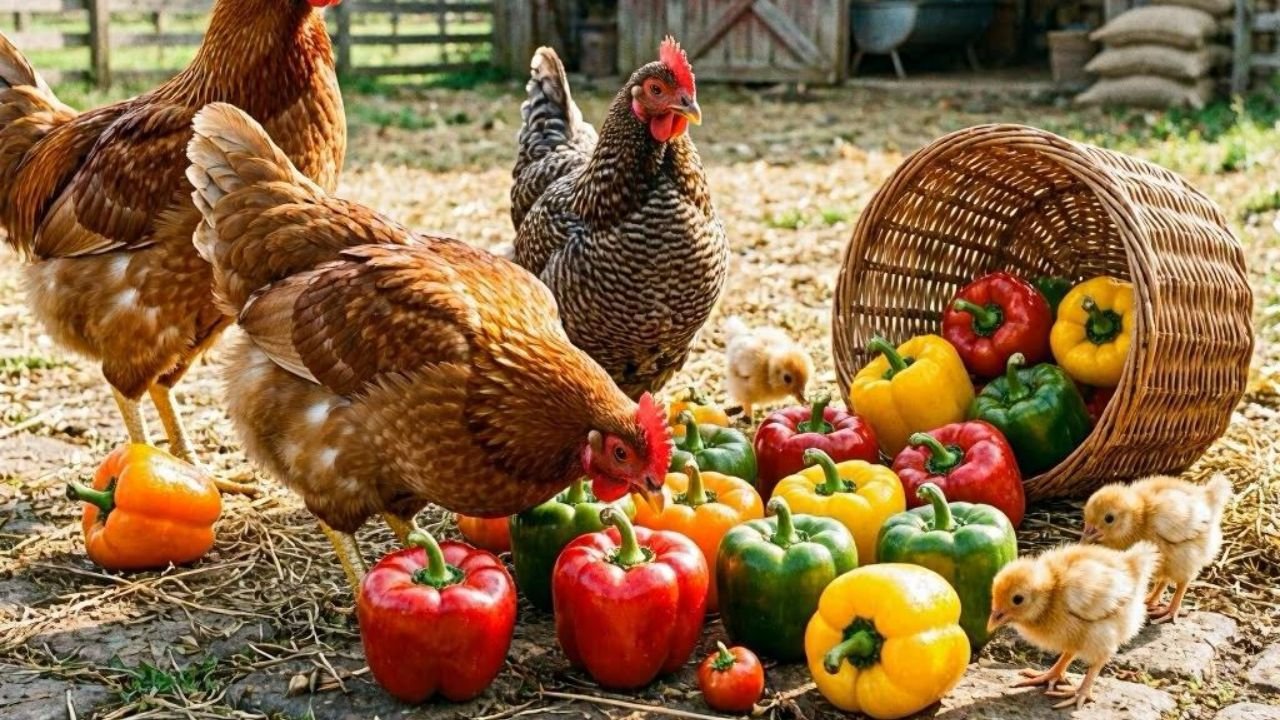
If you keep backyard chickens, you probably ask yourself this often: can chickens have peppers?
It’s a smart question. Chickens love pecking at almost anything colorful. A bright red bell pepper or a green jalapeño can grab their attention fast. But just because they want to eat something does not always mean they should.
The good news is simple. Peppers can be a healthy treat for chickens. In fact, many flock owners use them as a way to add extra vitamins to their birds’ diets. The surprising part? Chickens can even eat hot peppers without feeling the burn humans feel.
That sounds strange, right?
It happens because chickens are built differently. Their bodies react to peppers in a unique way. This makes peppers not only safe but also a fun enrichment food when served correctly.
In this guide, we’ll break down everything you need to know about can chickens have peppers, including seeds, stems, cooked peppers, spicy peppers, and how much to feed. By the end, you’ll know exactly how to offer peppers safely to your flock.
Why Chicken Owners Ask: Can Chickens Have Peppers?
Chicken owners worry because some plants in the nightshade family can be toxic. Tomatoes, potatoes, and peppers all belong to this family. That often creates confusion.
Many people hear that nightshade plants can harm animals. Then they see peppers listed in the same group and assume peppers must be dangerous too. That’s where the fear starts.
But here’s the truth. The pepper fruit itself is safe. The edible part—the colorful pepper you buy at the store—is packed with nutrients. Chickens can enjoy red, yellow, green, and orange peppers without trouble.
The only caution is the plant leaves and stems from the pepper plant. Those are different. They can contain compounds you do not want your chickens eating. That’s why knowing the difference matters.
So if you’ve been wondering can chickens have peppers, the short answer is yes—but there are smart ways to serve them.
The Simple Answer: Yes, Chickens Can Eat Peppers
Let’s make it clear.
Can chickens have peppers? Yes.
Most chickens can safely eat:
- Bell peppers
- Jalapeños
- Chili peppers
- Sweet mini peppers
- Banana peppers
- Poblano peppers
- Cooked peppers
- Pepper seeds
- Pepper cores
That means your leftover kitchen peppers do not have to go to waste.
One of my neighbors tosses chopped bell peppers into her coop every week. Her hens run toward them like kids chasing candy. They peck every piece clean in minutes.
That’s because peppers are bright, crunchy, and easy for chickens to eat.
Still, peppers should be a treat—not the whole meal. Chickens need balanced feed first. Think of peppers like a healthy snack, not dinner.
Why Chickens Don’t Feel the Heat From Spicy Peppers
This is the part most people find fascinating.
Humans feel burning when eating chili peppers because of capsaicin. That is the natural compound that creates heat.
Chickens are different.
They lack the receptors that detect capsaicin. In simple words, their mouths do not recognize “spicy.”
So while a jalapeño may make you cry, your chicken feels nothing unusual. It tastes like food to them.
This is actually useful in nature. Birds spread pepper seeds through droppings. The plant benefits because birds eat the fruit and carry the seeds elsewhere.
Nature designed it well.
That means if your chicken grabs a hot chili, do not panic. They are not suffering. They are simply enjoying a snack.
That’s one big reason why the answer to can chickens have peppers is so confidently yes.
Nutritional Benefits of Peppers for Chickens
Peppers are more than colorful treats. They are nutrient boosters.
Here’s what peppers offer:
| Nutrient | Benefit for Chickens |
|---|---|
| Vitamin A | Supports eyesight and immunity |
| Vitamin C | Helps reduce stress and supports health |
| Fiber | Supports digestion |
| Water | Helps hydration in hot weather |
| Antioxidants | Helps protect body cells |
During summer, I often suggest watery vegetables like peppers for backyard flocks. Chickens can overheat easily. Moist foods help.
Red bell peppers are especially rich in nutrients. They contain more vitamins than green ones because they are fully ripe.
Adding small pepper pieces once or twice a week can support overall flock health.
That is a smart reason to keep peppers in your chicken treat rotation.
Can Chickens Eat Bell Peppers Seeds?
A very common question is: Can chickens eat bell peppers seeds?
Yes, they can.
Bell pepper seeds are soft, small, and harmless to chickens. They do not contain dangerous levels of anything toxic.
Some owners remove seeds out of habit. That is fine. But it is not necessary.
In fact, chickens often peck seeds first. They seem to enjoy them.
If you chop a whole bell pepper and toss it into the run, your hens will likely attack the center first. That’s normal.
Seeds also add a tiny bit of texture and interest, which helps with enrichment.
So there is no need to waste time removing bell pepper seeds unless you personally want to.
Your flock will happily handle them.
Can Chickens Eat Pepper Seeds and Stems?
This question needs a little more detail.
Can chickens eat pepper seeds and stems?
Seeds—yes.
The thick inner core—usually yes.
The fruit stem attached to the pepper—best removed.
Why?
The green stem and leaves of pepper plants may contain higher levels of solanine-like compounds linked to nightshade plants. While one accidental bite likely won’t cause disaster, it is better to avoid the risk.
Good chicken care often means reducing unnecessary risks.
My own rule is simple:
- Fruit = feed it
- Seeds = feed it
- Core = okay
- Plant leaves = avoid
- Thick outer stem = remove
That keeps feeding simple and safe.
Can Chickens Have Peppers and Carrots Together?
Yes, chickens can enjoy peppers and carrots together as a healthy snack mix.
In fact, many flock owners combine vegetables to create a colorful treat tray. Chickens are curious animals. Bright foods catch their attention fast. Red peppers beside orange carrots can turn feeding time into enrichment time.
So if you are wondering, Can chickens have peppers and carrots, the answer is absolutely yes.
Carrots provide beta-carotene, while peppers bring vitamins A and C. Together, they create a nutrient-rich combination that supports immune health and healthy feathers.
Still, preparation matters.
Raw carrots can be hard for chickens to peck, especially for smaller breeds or older hens. Chopping or shredding them makes eating easier. Peppers should also be cut into manageable pieces.
One winter, I mixed shredded carrots with diced bell peppers for a small flock during cold weather. The hens scratched through the mix like children digging through a treasure box. It kept them busy and active for nearly an hour.
Simple food enrichment like this can reduce boredom in confined chickens.
Here’s an easy combination idea:
- Chopped red bell peppers
- Shredded carrots
- Small cucumber pieces
- A few leafy greens
Serve it in moderation beside regular feed, not instead of it.
Can Chickens Eat Black Pepper?
Another common question is: Can chickens eat black pepper?
Yes, chickens can eat small amounts of black pepper.
Black pepper is very different from chili peppers. It comes from peppercorns and contains piperine rather than capsaicin. Chickens can usually tolerate tiny amounts without issue.
Some chicken keepers even sprinkle a little black pepper into homemade feed mixes during colder months. They believe it may support circulation and digestion. However, scientific proof for strong health benefits is limited.
The key word here is moderation.
Too much black pepper could irritate a chicken’s digestive system. Chickens have sensitive bodies despite their tough appearance. A heavy layer of seasoning is never a good idea.
Avoid feeding heavily seasoned human foods. For example:
- Pepper-covered pizza scraps
- Salty stir-fried peppers
- Chips with strong seasoning
- Spicy processed foods
Plain, fresh foods are always safer.
If your chicken accidentally eats a tiny bit of black pepper, there is usually no reason to worry. But fresh vegetables remain the better option.
Can Chickens Eat Cooked Peppers?
Many flock owners also ask: Can chickens eat cooked peppers?
Yes, cooked peppers are generally safe for chickens.
Cooking softens the peppers and can make them easier to eat, especially for young chickens or older hens with weaker beaks.
However, the way you cook them matters a lot.
Plain cooked peppers are best. Avoid adding:
- Too much salt
- Butter
- Oil
- Garlic-heavy seasoning
- Spicy sauces
- Onion powder
Simple steamed or lightly roasted peppers are usually fine.
Leftover fajita peppers without strong seasoning can also work in small amounts. Chickens often enjoy soft cooked vegetables because they are easy to peck and swallow.
One rainy afternoon, I tossed leftover roasted bell peppers into a muddy run. The hens cleaned the bowl so quickly that I barely had time to refill their water.
Cooked peppers can also help reduce food waste at home. Instead of throwing away plain leftovers, you can share safe scraps with your flock.
That said, fresh peppers still provide better texture and more enrichment value because chickens enjoy pecking crunchy foods.
Best Types of Peppers for Chickens
Not all peppers are equal in nutrition, but most are safe.
Here are some popular choices for backyard flocks:
| Pepper Type | Safe for Chickens? | Notes |
|---|---|---|
| Bell peppers | Yes | Great beginner option |
| Jalapeños | Yes | Chickens do not feel heat |
| Chili peppers | Yes | Safe in moderation |
| Banana peppers | Yes | Mild and easy to eat |
| Sweet mini peppers | Yes | High in vitamins |
| Poblano peppers | Yes | Fine as treats |
Red bell peppers are often considered the best choice because they contain high nutrient levels. Green peppers are safe too, though slightly less sweet and ripe.
Hot peppers are surprisingly popular with chickens. Some flock owners even dry chili peppers and mix small flakes into winter feed.
The bright colors also help encourage natural pecking behavior.
When people ask can chickens have peppers, they are often shocked to learn spicy peppers are acceptable too.
How Much Pepper Should Chickens Eat?
Even healthy treats need balance.
Peppers should only make up a small part of your chickens’ diet. Their main nutrition should come from complete poultry feed.
A good rule is:
- Treats should stay under 10% of the daily diet
- Offer peppers 1–3 times weekly
- Rotate with other vegetables and fruits
Too many treats can reduce egg production because chickens may fill up on snacks instead of balanced feed.
Think about it this way. If a child only ate fruit snacks all day, they would miss important nutrition. Chickens work the same way.
A few chopped peppers for a small flock is enough.
Signs you may be feeding too many treats include:
- Reduced egg laying
- Loose droppings
- Weight gain
- Chickens ignoring regular feed
Balance is always the goal.
Safe Ways to Serve Peppers to Chickens
Serving peppers safely is simple.
Here are the best methods:
Fresh Chopped Peppers
Dice peppers into small chunks. Scatter them around the run to encourage natural scratching and pecking.
Hanging Pepper Treats
Some owners hang whole peppers using string. Chickens enjoy jumping and pecking at them. It becomes both food and entertainment.
Mixed Vegetable Bowls
Combine peppers with carrots, cucumbers, lettuce, or zucchini for variety.
Frozen Summer Treats
Freeze pepper slices with watermelon pieces during hot weather. Chickens enjoy the cool texture on warm afternoons.
Cooked Pepper Scraps
Plain roasted or steamed peppers work well when leftovers are available.
These methods keep feeding interesting and mentally stimulating.
Mistakes to Avoid When Feeding Peppers
Even though the answer to can chickens have peppers is yes, there are still mistakes you should avoid.
Feeding Moldy Peppers
Never feed spoiled vegetables. Mold can seriously harm chickens.
Giving Too Many Treats
Peppers are snacks, not meal replacements.
Feeding Pepper Plant Leaves
The fruit is safe, but leaves and large plant parts should stay out of the coop.
Using Salty or Oily Recipes
Human foods with heavy seasoning are not ideal for chickens.
Ignoring Fresh Water
Fresh treats increase activity and digestion. Always provide clean water nearby.
Good flock care is usually about consistency, not perfection.
Signs Your Chickens Enjoy Peppers
Chickens are funny little creatures. When they love something, they make it obvious.
You may notice:
- Fast pecking
- Excited clucking
- Chasing each other for pieces
- Scratching around for dropped bits
- Returning quickly for more
One hen in my friend’s flock grabs pepper strips and runs like she won a race trophy. The other hens chase her around the yard in complete chaos.
Food enrichment brings out natural instincts. That is one reason vegetable treats can improve flock happiness.
Are Peppers Good for Chickens in Hot Weather?
Yes, peppers can be especially useful during summer.
Chickens struggle with heat because they cannot sweat like humans. Hydrating vegetables help support moisture intake.
Bell peppers contain a good amount of water. Fresh vegetables can help chickens stay more comfortable during warm afternoons.
Cold pepper slices from the fridge can work as refreshing treats on extremely hot days.
Many flock owners notice their birds eat lighter foods during summer. Crunchy vegetables often become more appealing than heavy scratch grains.
Still, hydration matters most. Fresh cool water should always be available.
FAQs About Can Chickens Have Peppers
Can chickens have peppers every day?
They can eat small amounts regularly, but variety is healthier. Peppers should remain treats, not the main food source.
Can baby chicks eat peppers?
Very small amounts of soft pepper are usually okay for older chicks, but starter feed should remain the primary diet.
Can chickens eat spicy peppers safely?
Yes. Chickens do not react to capsaicin the way humans do.
Can chickens eat pepper seeds and stems?
Seeds are safe. Thick stems and plant leaves are better removed.
Can chickens eat cooked peppers?
Yes, plain cooked peppers are safe when free from heavy seasoning.
Can chickens eat black pepper?
Small amounts are generally safe, but avoid heavily seasoned foods.
Can chickens have peppers and carrots together?
Yes. This combination makes a colorful and nutritious treat mix.
Which peppers are healthiest for chickens?
Red bell peppers are often the most nutrient-rich choice because they are fully ripe.
Final Thoughts on Can Chickens Have Peppers
So, let’s answer the big question one last time: can chickens have peppers?
Yes, they absolutely can.
Peppers can be a healthy, colorful, and enjoyable treat for backyard chickens. Bell peppers, jalapeños, chili peppers, and even cooked peppers can all fit safely into a balanced flock diet.
The key is serving them correctly.
Fresh pepper fruit, seeds, and cores are generally fine. Heavy stems, leaves, and spoiled vegetables should stay out of the coop. Moderation also matters because chickens still need balanced poultry feed first.
One thing I love about feeding peppers is how much personality chickens show while eating them. A simple vegetable can turn an ordinary afternoon into entertainment for the whole flock.
Healthy treats are not just about nutrition. They also create activity, curiosity, and enrichment.
If you have peppers sitting in your kitchen right now, your chickens will probably be happy to help you use them.
See Also:
Can Chickens Have Peanut Butter?
Can Chickens Eat String Beans?

Joel Callahan is a father of two daughters in Alaska. He runs a family poultry farm and works part-time as a food department adviser. He shares simple farming tips and advice.