
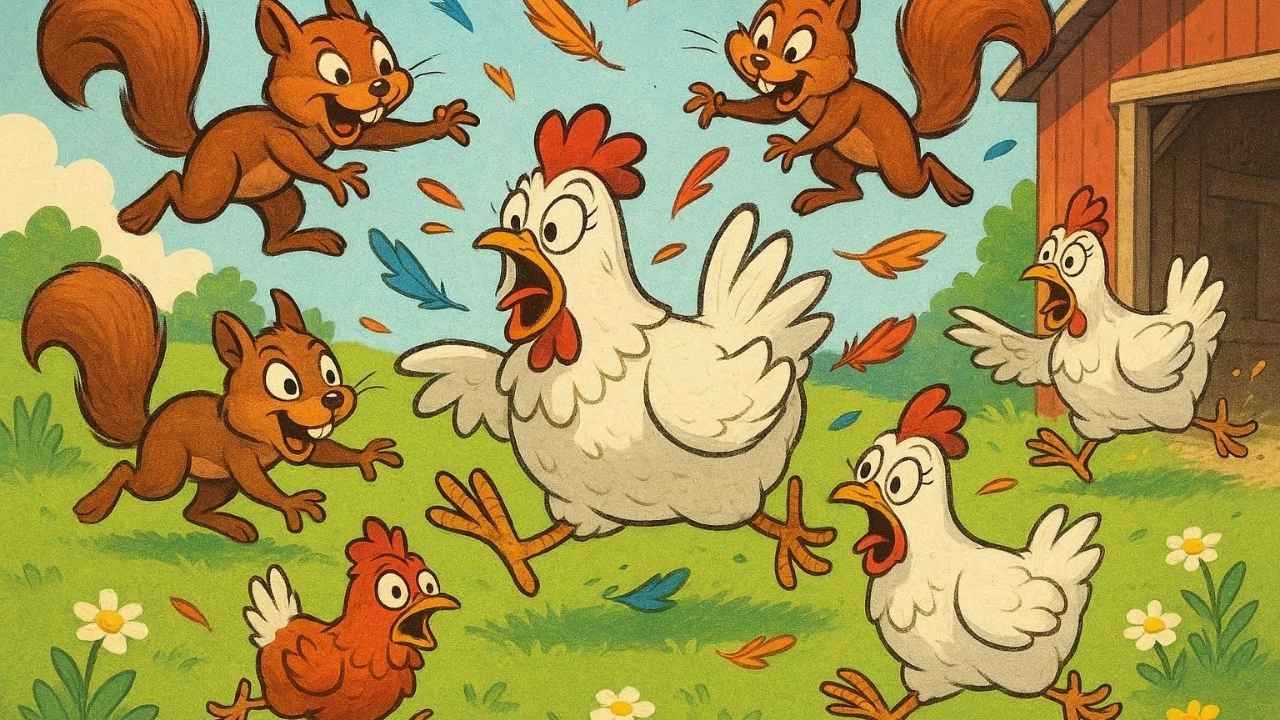
If you keep chickens, you already know that danger can come from unexpected places. Foxes, hawks, and snakes often get the blame. But what about squirrels? Many people ask, “will squirrels attack chickens”, and the answer might surprise you.
At first glance, squirrels seem harmless. They are small, fluffy, and busy collecting nuts. But in reality, they can become sneaky troublemakers inside your coop. I remember the first time I noticed eggs disappearing without any clear sign of a predator. No broken fences, no feathers. Just empty nests. It turned out a squirrel was the culprit.
This article will walk you through everything you need to know. We will explore whether squirrels are a real threat, how they behave, and how you can protect your flock. By the end, you will feel more confident keeping your chickens safe and secure.
Will Squirrels Attack Chickens? The Honest Answer
Let’s address the big question right away: will squirrels attack chickens?
Squirrels will attack chickens, but it’s rare. They are not predators, like foxes or hawks. Squirrels are usually looking for an easy meal. But when they are hungry, or if they see an easy target, they may attack.
Squirrels will typically steal eggs, chicks, or sick chickens. These are easy targets. A baby chick has limited chances to fight back. An egg can be easily stolen or destroyed. A weak chicken can’t defend itself.
Squirrels can be aggressive at times. This may be due to being cornered or hungry. It is even possible for them to bite and hurt chickens. Although this is rare, it should not be ruled out.
Squirrels are opportunists. They don’t seek out trouble. However, if a source of food is available they will take it.
Understanding Squirrel Behavior Around Chicken Coops
To understand will squirrels hurt my chickens, you need to look at how squirrels behave.
Squirrels are curious animals. They explore everything. The chicken house is a smorgasbord. It’s warm, safe and a source of food. This makes it very attractive.
They are also good climbers. Roofs, trees, fences – the sky is the limit. If there is a crack in your coop, they can get in. It is like water finding a crack.
Another thing to consider is that squirrels are diurnal. So they may appear when you are not looking. People believe day time is safe for chickens, but not for squirrels.
They’re survivalist creatures. Once they find food they will keep coming back. It becomes a habit. So it is best to catch it early.
Do Squirrels Eat Chicken Eggs? A Common Problem
One of the most common issues is egg theft. So, do squirrels eat chicken eggs? Yes, they do.
Eggs are nutritious and squirrels like them. They can steal eggs or eat them in the nesting box. You may just find egg shells.
This can be frustrating. You give your chickens food, and then your eggs disappear. It’s like food is disappearing from the refrigerator.
Egg stealing is subtle. You don’t hear squawks, see feathers, or footprints. So it is difficult to notice. It can be mistaken for the chickens not laying or being blamed on the chickens.
If you are losing eggs, this may be a sign of squirrels. To prevent this, keep nests covered and pick up eggs frequently.
Baby Chicks Are the Most Vulnerable
When asking will squirrels attack chickens, the biggest concern should be baby chicks.
Chicks are fluffy and vulnerable. They can be tempting prey. Chicks are especially vulnerable to ground squirrels.
One farmer once said, “A chick is like candy to a hungry squirrel.” It might sound cruel, but it’s true.
Squirrels may have access to brooding areas. They can then destroy and eat the chicks. This can be a very swift attack.
So keep chicks safe. Securing fencing and checking for holes can save you from heartache.
Can Squirrels Injure Adult Chickens?
Now you might wonder, will squirrels hurt my chickens if they are fully grown?
Most adult chickens are safe. They are bigger and can fight back. An adult chicken can frighten away a squirrel.
But it’s not always the case. A squirrel can bite a sick or injured chicken. Squirrels have been reported to bite the comb or feet.
This is abnormal but may occur if they are stressed or hungry. It is like a last ditch effort.
Squirrels can be stressful, even if they don’t kill adult chickens. Chickens can get stressed and stop laying eggs. So, it is not a physical effect. Sometimes, it affects productivity too.
What Predator Kills Chickens During the Day?
Many people assume nighttime is the only dangerous time. But when asking what predator kills chickens during the day, squirrels should be on your list.
Squirrels are diurnal animals. This allows them to get into your coop when chickens are not home.
Hawks, dogs and snakes are also daytime predators. However, squirrels are special because they can be sneaky. They do not create a disturbance.
They sneakily steal or attack small prey. This makes them harder to detect.
Knowing this keeps you safe. It doesn’t mean you’re safe. It means a different threat.
Will Squirrels Attack Chickens at Night?
Another common question is will squirrels attack chickens at night.
Well, the short answer is no, not usually. Squirrels are day-time creatures. They are nocturnal and go to sleep during the night.
So, if you have chickens that are being attacked at night, it’s probably not by a squirrel. It could be something like raccoons, owls or foxes.
But don’t be too quick to dismiss squirrels. They will destroy your chickens in the daytime.
After all, squirrels are daytime burglars, not night owls.
Will Squirrels Attack Chickens in the Winter?
Winter changes animal behavior. So, will squirrels attack chickens in the winter?
Yes, the risk can increase during winter. Squirrels are hungry.
When they can’t find acorns and nuts, they’re hungry. Your chicken coop is an easy target.
This is when squirrels may become aggressive. This could include stealing more eggs or even chicks if they are present.
Winter is a survival season for animals. And sometimes, that includes your coop.
To stay out of trouble, you must be vigilant in winter. Lock up the coop and minimise food sources.
Signs That Squirrels Are Targeting Your Coop
It is not always obvious when squirrels are the problem. But there are signs you can watch for.
Here are some common clues:
- Missing eggs without damage
- Chewed wood or small holes in the coop
- Chicken feed disappearing quickly
- Droppings near feeding areas
- Seeing squirrels frequently around the coop
These signs are like small warnings. They tell you something is not right.
If you notice these early, you can take action before things get worse. Prevention is always easier than fixing damage later.
Quick Comparison: Squirrels vs Other Chicken Predators
Below is a simple table to help you understand how squirrels compare to other predators:
| Predator | Active Time | Main Target | Threat Level |
|---|---|---|---|
| Squirrels | Day | Eggs, chicks | Low to Medium |
| Foxes | Night | Adult chickens | High |
| Hawks | Day | Small chickens | High |
| Raccoons | Night | Eggs, chickens | Very High |
This table shows that squirrels are not the most dangerous predators. But they are still a real threat, especially to eggs and chicks.
Why Squirrels Keep Coming Back
The moment squirrels find your chicken coop, it’s unlikely they will forget.
Food is the main reason. It is quick and nutritious to eat. It is like fast food for squirrels.
They also feel safe if there are trees nearby. Trees provide them with a direct route to your chicken coop.
If they are allowed to continue, they will come back over and over again. It is a daily habit.
This is where control measures come in. You are breaking a habit. You are breaking a habit.
How to Protect Your Chickens from Squirrels
Now that we understand the risks, let’s talk about solutions. If you are worried about will squirrels attack chickens, the good news is that prevention is very effective.
The first thing you need to do is secure your coop. Imagine your coop is a safe. Squirrels will find holes, cracks or weak points. They are determined and smarter than you think. A crack is enough of a gap.
Use hardware cloth not chicken wire. Chicken wire keeps chickens in, but it does not keep predators away. Hardware cloth is stronger and has smaller holes. It is like a wall.
Then roof your run. Squirrels can climb and jump easily. If the lid is open, it is an inside pass. When you cover the run, you take away the opportunity.
Security is not just one thing. It is about layers. The more you put in the way, the better.
Secure Feeding: Stop Attracting Squirrels
Squirrels are attracted to your chicken coop for food. If they have no reason to eat, they won’t.
Keep chicken feed in metal bins with lids. Plastic can be gnawed. Metal is much harder to break. It stops odours getting out and stops birds getting in.
Don’t leave the feed out. This is like leaving out a buffet. Feed chickens at a time and clean up.
Clean the area regularly. Food on the ground is very enticing. Just a little will attract them again and again.
If you take away their food, you take away their reason to be. It may seem obvious but it works.
Protecting Eggs from Theft
If you are dealing with missing eggs, you already know how frustrating it feels. It makes you wonder again, will squirrels attack chickens, or are they just stealing?
If you want to save eggs, pick them up. Don’t leave them in the nesting box. The longer they sit, the greater the danger.
You can also use roll-away nesting boxes. These boxes relocate the eggs after laying. Squirrels will not be able to get to them.
You can also make the nesting area less light and less open. Squirrels like it light and airy. If it is dark and enclosed they are more reluctant to enter.
Timing and design save eggs. It doesn’t take much to save a lot of eggs.
Keep Baby Chicks Safe at All Costs
We already know that chicks are the most vulnerable. So, if you are asking will squirrels hurt my chickens, your focus should be on protecting young birds.
Make sure the brooder is completely enclosed with fine mesh hardware cloth. There should be no holes. Even small gaps can be a problem.
Keep brooders off the ground if you can. This adds another layer of protection. Squirrels can burrow up to the brooder.
Check the brooder daily. Check for signs of gnawing or entry. This can save a catastrophe.
Protecting chicks is like protecting your child. Because in fact, you are. They need a little extra care.
Remove Easy Access Points
Squirrels can climb. They climb trees, fences and even walls to get to your coop.
Cut back tree limbs that hang over your coop. These branches are ladders. This eliminates a primary pathway.
Also, check nearby structures. If nearby, they can leap from roofs or fences. Give them space.
Close up all gaps. Use durable materials such as metal mesh and wood. Do not use makeshift solutions.
Access control is like locking your doors. If you keep the squirrels out, they can’t damage things.
Use Natural Deterrents and Barriers
You might need some help to keep squirrels away. You can use natural repellents.
Squirrels hate strong odours – such as peppermint oil and vinegar. They don’t like the smell. You can spray them around the coop.
You can also use wire baskets around the coop perch. This will stop digging and burrowing under.
Others use automatic lights or alarms. These may frighten the squirrels, particularly if they are unfamiliar with the loud stimulus.
Repellents are not foolproof but they help. We can think of them as an alarm.
Monitor and Act Early
The most important thing you can do is be vigilant.
Look for missing eggs or wood chewing and take action. Don’t wait for it to become worse.
Check the coop in the day. Squirrels are diurnal so this is when they will be most active.
You can even use a camera. This will allow you to verify these events. It may not be what you think.
This saves time, money and aggravation. Better an ounce of prevention.
Real-Life Insight: A Lesson Learned the Hard Way
Let me tell you a story. A small poultry farmer at first overlooked a few lost eggs. He didn’t care. Perhaps the chickens weren’t laying eggs.
But as time went by, the numbers increased. Finally he caught a squirrel with an egg in its mouth.
The squirrel was now a regular visitor. It thought it had found a source of food. It was harder to solve the problem.
This story illustrates a point. Small signs matter. If something is wrong, don’t ignore it.
Because when it comes to will squirrels attack chickens, the answer often starts small and grows if ignored.
FAQs About Squirrels and Chickens
1. Will squirrels attack chickens regularly?
No, it is not common. But they can attack chicks, eggs, or weak chickens when given the chance. It depends on opportunity and hunger.
2. Will squirrels hurt my chickens if they are healthy adults?
Most of the time, no. Healthy adult chickens can defend themselves. However, weak or injured birds may still be at risk.
3. Do squirrels eat chicken eggs often?
Yes, egg theft is one of the most common problems. Squirrels may eat eggs in the coop or carry them away.
4. Will squirrels attack chickens at night or only during the day?
Squirrels are active during the day. Night attacks are usually caused by other predators like raccoons or foxes.
5. What predator kills chickens during the day besides squirrels?
Hawks, dogs, and snakes are common daytime predators. Squirrels are less dangerous but still a concern.
6. Will squirrels attack chickens in the winter more often?
Yes, winter can increase risk. Food is scarce, so squirrels may become more aggressive and search for easy meals.
7. How do I stop squirrels from coming back?
Remove food sources, secure your coop, collect eggs regularly, and block access points. Consistency is key.
Final Thoughts
So, let’s come back to the main question: will squirrels attack chickens?
The short answer is yes, but you don’t need to worry. Squirrels are not the greatest threat, but they are not innocent either. They dwell in the twilight zone of potential threats.
With a bit of vigilance and precautions, you can protect your flock. It’s a bit like locking your door. You do it not because you are guaranteed to be in danger, but because it is a possibility.
Your chickens depend on you. A little forethought, maintenance and care will keep them safe from even the most unlikely guests.
See Also:
Do Groundhogs Attack Chickens?
Can You Kill a Hawk if It Attacks Your Chickens?

Joel Callahan is a father of two daughters in Alaska. He runs a family poultry farm and works part-time as a food department adviser. He shares simple farming tips and advice.