
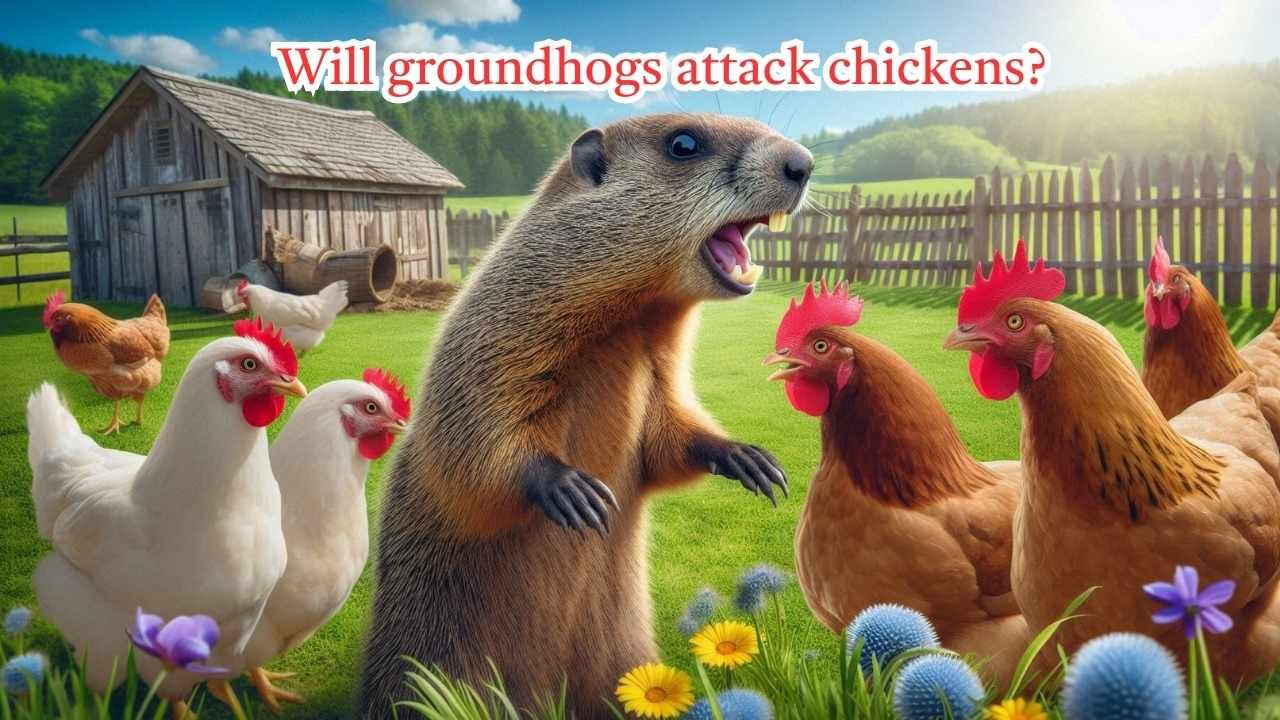
A peaceful backyard with chickens scratching in the soil is a comforting sight. Their soft clucks and playful pecking make many small farms feel alive. But sometimes an unexpected visitor appears near the coop. A chubby brown animal pops its head from a hole in the ground.
At that moment many chicken owners ask the same question: “do groundhogs attack chickens?” It is a fair concern. After all, many predators hunt poultry. Foxes, raccoons, and hawks can wipe out an entire flock overnight.
Groundhogs, however, are different from those predators. They have their own habits and diet. Understanding their behavior helps chicken keepers stay calm and make smart decisions. In this guide, we will explore whether do groundhogs attack chickens, how they interact with poultry areas, and what risks they actually bring to a backyard coop.
What Is a Groundhog?
Groundhogs are massive rodents, which are members of the family of marmots. They are also known to many by the name of woodchucks or whistle pigs. They have popularly been known by their round body structure, short legs, and thick fur that is brown in color.
These animals inhabit burrows that can be extended to a number of feet underground. One tunnel system can contain more entrances and sleeping chambers. Due to this excavation nature, they usually appear in areas near gardens, fields and barns where they are spotted by farmers.
Groundhogs are daytime animals. The majority of their time they use to search plants to consume. They are also not like carnivorous animals that show a lot of interest in hunting. This fact alone already points at the answer to the great question: do groundhogs attack chicken?
Understanding the Groundhog Diet
To know if a wild animal may harm chickens, the first step is understanding what it eats. Groundhogs are primarily herbivores, meaning plants make up almost their entire diet.
They love fresh grass, leafy greens, vegetables, berries, and garden crops. If you grow lettuce, cucumbers, tomatoes, or beans, a groundhog may treat your garden like a buffet. They also chew on clover, dandelions, and wild plants growing near fields.
Because of this plant-based diet, groundhogs rarely hunt animals. Their teeth and instincts are better suited for chewing stems and roots rather than catching prey. This is one of the main reasons the question do groundhogs attack chickens often has a reassuring answer.
Do Groundhogs Attack Chickens? The Simple Answer
Let’s address the main concern clearly. In most cases, do groundhogs attack chickens? The answer is no. Groundhogs are not natural predators of poultry.
They lack the hunting instincts that animals like foxes or raccoons have. Their bodies are built for digging and eating plants, not chasing birds. Most groundhogs will ignore chickens completely.
Many backyard farmers report seeing groundhogs walking calmly near their flocks. The chickens may even peck the ground nearby without fear. Instead of attacking, the groundhog usually focuses on nearby grass or vegetables.
So when people ask do groundhogs attack chickens, the truthful response is that it is extremely rare.
Are Groundhogs Aggressive to Chickens?
Another common concern is Are groundhogs aggressive to chickens. The good news is that these animals are usually calm and shy.
Groundhogs avoid conflict. When they observe any movement or loud noise they tend to run at full speed to their burrow. Chickens are loud birds that flap and move fast, and it normally sends groundhogs away, not towards them.
Under exceptional circumstances, a ground hog could protect itself when attacked. The response can be triggered by any wild animal. However, being defensive is quite different than hunting chicken.
Mostly, when a groundhog is in a chicken yard, it just travels over the yard without creating any inconvenience.
Why Groundhogs Still Visit Chicken Areas
Even though do groundhogs attack chickens is mostly answered with “no,” they may still appear near coops. The reason is simple: food and shelter.
Chicken yards often contain things that attract groundhogs. Feed spilled on the ground, vegetable scraps, and nearby gardens can all draw their attention. A groundhog may wander in while looking for plants to eat.
Another reason is safety. Groundhogs like areas with quiet corners and soft soil. The ground near a coop fence or shed can be a perfect spot for digging.
So while they do not hunt chickens, their presence around a coop is still possible.
Burrowing: The Real Problem for Chicken Owners
If groundhogs rarely harm birds, why do farmers still worry about them? The real issue is their burrowing behavior.
Groundhogs dig deep tunnels under fences, sheds, and sometimes even coop foundations. Over time these holes can weaken the soil around structures. A coop built on soft ground may start shifting or sinking.
Large burrow systems can also create hidden gaps where predators might enter. For example, a fox could use an abandoned tunnel to reach a flock.
This indirect danger explains why people still ask do groundhogs attack chickens, even though the animals themselves rarely do.
Personal Experience From Backyard Chicken Keepers
The backyard chicken owners have a lot in common. A groundhog comes close to the garden, feasting on leaves as chickens roam around. The birds cluck and scratch as they always do without fear.
I once heard a farmer talk of seeing his hens trailing a groundhog, as curious neighbors do. The groundhog took no notice of them whatsoever and settled down to clover that was growing close to the fence.
These are actual experiences that bring to the fore an essential fact. Groundhogs tend to behave as non-aggressive strangers.
This is the reason why the experienced keepers tend to be more concerned with foxes, raccoons, and hawks rather than with groundhogs.
Will a Groundhog Eat a Chicken Egg?
Another interesting question is Will a groundhog eat a chicken egg. The answer is complicated but generally unlikely.
Groundhogs are not egg hunters. The digestive system of them is adapted to plants. Nevertheless, in some cases, wild animals do consume something strange so long as it presents the opportunity.
A curious groundhog might bite an egg that were break on the ground. However, it is not a common practice of an animal to pull inside a coop stealing eggs. Whereas snakes, raccoons, and opossums are much more likely to attack eggs.
There are situations when it can happen, but egg stealing is not a popular groundhog activity.
What Predator Kills the Most Chickens?
While discussing do groundhogs attack chickens, it is helpful to look at the animals that truly threaten poultry.
Below is a quick comparison of common chicken predators.
| Predator | Threat Level | Typical Behavior |
|---|---|---|
| Fox | Very High | Sneaks in at night and kills multiple birds |
| Raccoon | Very High | Opens coops and attacks chickens |
| Hawk | High | Grabs chickens during the day |
| Snake | Medium | Eats eggs and chicks |
| Groundhog | Very Low | Rarely harms chickens |
As the table shows, groundhogs are near the bottom of the threat list. They simply do not behave like predators.
Signs a Groundhog Is Living Near Your Coop
Even though do groundhogs attack chickens is rarely true, it helps to recognize their presence. Identifying them early can prevent property damage.
Here are common signs:
-
Large round burrow holes in the ground
-
Mounds of fresh soil near tunnels
-
Chewed vegetables or garden plants
-
Paths through tall grass leading to a hole
These clues usually appear near gardens or fence lines. If you notice them, a groundhog may be living nearby.
Simple Ways to Protect Your Chicken Yard
There is no need to panic in order to keep your flock safe. Some simple measures can scare groundhogs, which will no longer want to live close to your coop.
To begin with, place chicken food into safe containers. There are many animals such as rodents that can be attracted to spilled grain.
Second, maintain ground near the coop clean. Destroy vegetable waste and food. This lowers temptation among plant-eating animals.
Lastly, examine the soil around the fences. Small holes will be filled before large tunnels can be created.
Humane Ways to Manage Groundhogs
If a groundhog starts digging near your coop, humane solutions work best. These animals are part of the natural ecosystem and usually mean no harm.
One common method is installing underground fencing. A wire barrier buried about one foot deep can stop burrowing.
Another option is improving the landscape. Removing thick weeds and brush reduces hiding spots.
Some farmers also place natural deterrents around garden beds. Strong smells and vibrations sometimes encourage groundhogs to move elsewhere.
Living Peacefully With Backyard Wildlife
Backyard farming often means sharing space with wildlife. Birds, squirrels, rabbits, and groundhogs may visit from time to time.
Understanding their behavior helps prevent unnecessary worry. When people ask do groundhogs attack chickens, the concern usually comes from fear of the unknown.
But once you learn about their plant-based diet and shy nature, the picture becomes clearer. Groundhogs are usually harmless neighbors rather than dangerous predators.
How Burrows Can Damage a Chicken Coop
Even though do groundhogs attack chickens is rarely a real threat, their tunnels can still create trouble. Groundhogs dig wide burrows that may stretch several feet underground. These tunnels often have multiple entrances and hidden chambers.
If one of these burrows appears under or near a coop, the soil may become loose. Over time, this can weaken the structure of the coop floor or fence posts. In wet weather, the ground may sink slightly, creating gaps where predators might enter.
Chicken owners often discover the problem when they notice uneven ground near the coop. Fixing the soil early prevents bigger structural issues later.
How Groundhog Tunnels Can Invite Other Predators
A groundhog itself may not harm chickens, but its tunnels can accidentally help other predators. This is one reason some people still worry about do groundhogs attack chickens.
When a groundhog digs under a fence, it creates a ready-made path into the chicken yard. Clever predators like foxes or raccoons may find this opening and use it to reach the flock.
In nature, animals often take advantage of work done by others. A fox may not dig a hole itself if one already exists. That is why filling abandoned burrows quickly is important.
Protecting the coop from tunnels keeps both groundhogs and real predators from entering.
Why Chickens Usually Ignore Groundhogs
Chickens are curious animals. They often investigate anything new that appears in their yard. Surprisingly, many chickens seem completely relaxed around groundhogs.
This happens because chickens sense when something is not a predator. A groundhog moves slowly and spends most of its time eating plants. The birds quickly realize it is not chasing them.
Some farmers even report chickens walking only a few feet away from a feeding groundhog. The scene can look almost peaceful.
Moments like these show why the question do groundhogs attack chickens often comes from misunderstanding rather than real danger.
Garden Damage: A Bigger Problem Than Chickens
Groundhogs may cause havoc to gardens although they hardly ever bother poultry. They are said to have a voracious appetite towards vegetables among gardeners.
One groundhog will be able to consume lettuce, beans, cucumbers, and young tomato plants during one night. This practice frequently leads them to coopings of the hen since most areas have gardens near them.
In this instance, the homeowners can believe that the animal is after their flock. In actual sense, it is merely hunting after plants.
This understanding can be used to understand why do groundhogs attack chickens is often the wrong question to ask. The current issue is the safety of crops and property.
Comparing Groundhogs With True Chicken Predators
Chicken keepers should know which animals pose the biggest danger. The difference between predators and plant-eaters is important.
Below is a quick comparison.
| Animal | Diet Type | Risk to Chickens |
|---|---|---|
| Fox | Carnivore | Extremely dangerous |
| Raccoon | Omnivore | Very dangerous |
| Hawk | Carnivore | High risk during day |
| Opossum | Omnivore | Moderate risk |
| Groundhog | Herbivore | Very low risk |
This table clearly shows why the fear behind do groundhogs attack chickens is often misplaced. Many other animals deserve more attention.
Practical Coop Protection Strategies
Even if groundhogs are harmless, strong coop security is always wise. Good protection keeps every type of predator away.
First, install hardware cloth fencing around the coop. This material is stronger than regular chicken wire. It prevents animals from squeezing through small openings.
Second, bury part of the fence at least 12 inches into the ground. This step stops digging animals from tunneling under the barrier.
Third, keep the coop door locked at night. Many predators hunt after dark, so a secure coop gives your birds the best protection.
Safe and Humane Groundhog Deterrents
If a groundhog becomes a regular visitor, there are simple ways to discourage it. The goal is not harm but relocation.
Motion-activated lights or sprinklers can make the area less comfortable for wildlife. Groundhogs prefer quiet and calm spaces, so sudden movement may push them away.
Another method is installing a buried wire barrier around gardens or coop areas. This prevents digging without hurting the animal.
Planting strong-smelling herbs like mint near garden edges may also reduce visits. Small changes in the environment can convince a groundhog to search for food elsewhere.
Managing Food Around the Chicken Yard
Food management is one of the easiest ways to prevent wildlife problems. Many animals visit chicken yards because they smell grain or scraps.
Store all feed in sealed metal containers instead of open bags. This blocks smells and keeps rodents away.
Clean up spilled grain regularly. Even a small amount can attract animals overnight.
If chickens receive vegetable treats, remove leftovers after feeding time. These simple habits help answer the worry behind do groundhogs attack chickens by making the area less attractive to wildlife.
Understanding Wildlife Balance
Backyard farms exist within a larger ecosystem. Many animals share the same environment, each playing a role in nature.
Groundhogs help aerate soil through their digging. Their burrows also provide shelter for smaller animals once abandoned. In forests and fields, this behavior benefits the ecosystem.
For chicken keepers, the goal is balance. Protect the coop while allowing wildlife to live naturally nearby.
When people understand this balance, the fear behind do groundhogs attack chickens often fades away.
When Groundhogs Become a Serious Problem
In some cases, a groundhog can result into numerous damages. Burrows around buildings or fences are very big, and might need more decisive measures.
In these instances, local wildlife control services might assist in relocation of the animal in a secure way. The use of humane trapping has been introduced in cases where the burrow damage has become extensive.
Nevertheless, most incidences can be sorted out by mere blocking of tunnels and denying food supplies. Groundhogs love to lead an easy life and therefore they tend to relocate where a location can be inconveniencing.
The method will save your chickens and other wildlife in your area.
Final Thoughts: Do Groundhogs Attack Chickens?
Backyard chicken keeping brings many joys. Watching hens explore the yard, scratch in the soil, and lay fresh eggs is deeply rewarding. But it also comes with concerns about predators.
The good news is that do groundhogs attack chickens is mostly a myth. Groundhogs are plant-eaters that prefer gardens and grasses over hunting birds.
Their real impact comes from digging tunnels or eating vegetables, not harming poultry. By keeping feed secure and reinforcing coop fencing, chicken owners can avoid most problems.
With the right knowledge and simple precautions, chickens and groundhogs can often share the same landscape without conflict.
FAQs About Groundhogs and Chickens
1. Do groundhogs attack chickens regularly?
No. The question do groundhogs attack chickens usually has a simple answer: they rarely do. Groundhogs are herbivores and prefer plants over animals.
2. Are groundhogs aggressive to chickens?
Generally, no. Are groundhogs aggressive to chickens is another common concern, but these animals are shy and avoid conflict.
3. Will a groundhog eat a chicken egg?
It is very uncommon. Will a groundhog eat a chicken egg might happen only if an egg is broken and easily accessible.
4. What predator kills the most chickens?
Foxes and raccoons are responsible for many chicken losses. When asking What predator kills the most chickens, these two animals are often the top culprits.
5. How can I stop groundhogs from digging near my coop?
Install buried fencing, fill burrow holes quickly, and remove food sources. These steps discourage groundhogs from settling nearby.
6. Do groundhogs scare chickens?
Most chickens ignore groundhogs. Since the animals move slowly and do not hunt birds, chickens often remain calm.
7. Should I remove a groundhog from my property?
Only if it causes damage. In many cases, simple deterrents and fencing solve the issue without harming the animal.
See Also:
Will Vultures Attack Chickens?

Joel Callahan is a father of two daughters in Alaska. He runs a family poultry farm and works part-time as a food department adviser. He shares simple farming tips and advice.